Intelligence
Provenance as Currency: The Cultural Codes and Lineages That Elevate Haute Horlogerie Above Mere Timekeeping
The exact historical lineages, aesthetic codes, and design continuity that transform a mechanical object from a mere luxury commodity into a high-value, generationally resilient asset.
Provenance as Currency: The Cultural Codes and Lineages That Elevate Haute Horlogerie Above Mere Timekeeping
The Chemistry of Imperfection: The "Tropical" Dial Premium
Inside the crowded, low-lit salesroom of the Hôtel La Réserve in Bellevue, Geneva, during the November 2022 watch auctions, the atmosphere carried the distinct tension of high-stakes financial theater. The air was thick with the scent of roasted Arabica, damp wool from the autumn rain outside, and the faint, metallic tang of vintage steel. Aurel Bacs, the veteran auctioneer representing Phillips in Association with Bacs & Russo, stood at the rostrum, his eyes scanning a room filled with telephone bidders, institutional representatives, and private collectors. The lot on the screen was a Rolex Submariner Reference 6538, a "Big Crown" diver’s watch from the late 1950s.
To an untrained observer, the watch appeared damaged. Its dial, originally a glossy black lacquer, had faded to a mottled, uneven shade of milk chocolate. Yet, when the gavel fell, the watch commanded a staggering CHF 3,202,000. A comparable Reference 6538 with a pristine, unfaded black dial sold during the same season for approximately CHF 1,000,000. The difference of over two million Swiss francs was not a premium paid for mechanical perfection, but rather for a specific chemical defect known in horological circles as a "tropical" dial.
```
Rolex Ref. 6538 Valuation Comparison (Phillips Geneva, Nov 2022)
┌──────────────────────────────────────────────────────────────────┐
│ Standard Black Dial: ~CHF 1,000,000 │
├──────────────────────────────────────────────────────────────────┤
│ Tropical Gilt Dial: █████████████████████████████ CHF 3,202,000 │
└──────────────────────────────────────────────────────────────────┘
```
The phenomenon of the tropical dial is rooted in the material science of mid-20th-century Swiss manufacturing. During this era, dial makers such as Singer, Stern Frères, and Beyeler coated their brass dial plates with a protective chemical lacquer to prevent oxidation. However, these early varnishes were highly sensitive to ultraviolet radiation and ambient humidity. When exposed to sunlight over decades—particularly in equatorial or coastal climates—the organic compounds within the lacquer underwent photolytic degradation. The chemical structure broke down, allowing the underlying brass or the zinc-based undercoat to react with the atmosphere, turning the deep black paint into various shades of brown, caramel, and cognac.
In the early decades of vintage watch collecting, these dials were viewed as damaged goods. Rolex and other manufacturers routinely replaced them during scheduled servicing, discarding the oxidized dials in favor of modern, stable service replacements. The shift in perception from defect to asset began in the late 1990s and accelerated dramatically over the next two decades. According to the Knight Frank Luxury Investment Index, vintage watches have seen a 138 percent asset appreciation over a ten-year period, a trajectory heavily influenced by the premium placed on these micro-variants.
The tropical dial premium represents a fundamental inversion of traditional luxury values. In the broader luxury market, value is typically derived from pristine preservation and the absence of wear. In vintage horology, however, the tropical dial is celebrated as a physical record of time itself. Because no two dials degrade in precisely the same manner, the chemical oxidation process creates a unique aesthetic fingerprint. The premium is also driven by the historical context of the watch's life. A tropical dial suggests a watch that was used as its designers intended—worn in the sun, exposed to the elements, and subjected to the realities of an active life, rather than preserved in a dark safe.

This aesthetic appreciation is closely tied to the Japanese concept of *wabi-sabi*, which finds beauty in imperfection and impermanence. In a market saturated with mass-produced, chemically stable modern luxury goods, the tropical dial offers a rare connection to the organic and the unpredictable. The collector is not merely purchasing a timepiece; they are acquiring a unique physical sculpture formed by decades of environmental exposure.
---
The Transfer of Charisma: The "Paul Newman" Provenance
While chemical degradation provides an organic source of rarity, the most potent driver of value in the vintage watch market remains human association. This dynamic is best illustrated by the "Paul Newman" Rolex Daytona, a watch that transformed a slow-selling mechanical chronograph into one of the most sought-after collector's items in the world.
On October 26, 2017, at the Phillips "Winning Icons" auction in New York, Paul Newman’s personal Rolex Cosmograph Daytona Reference 6239 was offered with an opening bid of $10 million. Within twelve minutes of intense bidding, the watch sold to an anonymous telephone bidder for $17,752,500, setting a world record for a wristwatch at auction at the time. The watch itself was a steel chronograph with an "exotic" dial characterized by an outer track matching the sub-dials, art deco numerals, and square-ended hash marks.
```
Rolex Daytona Ref. 6239 Valuation Multipliers
┌──────────────────────────────────────────────────────────────────┐
│ Standard Ref. 6239: ~$50,000 - $80,000 │
├──────────────────────────────────────────────────────────────────┤
│ "Paul Newman" Dial: ~$250,000 - $350,000 │
├──────────────────────────────────────────────────────────────────┤
│ Paul Newman's Own Watch: ██████████████████████ $17,752,500 │
└──────────────────────────────────────────────────────────────────┘
```
When Rolex introduced the exotic dial Daytona in the late 1960s, it was a commercial failure. Retailers struggled to sell them, often discounting the watches or swapping the exotic dials for standard black or silver ones to clear inventory. The watch only gained traction after Paul Newman was photographed wearing one, a gift from his wife, Joanne Woodward, who had the caseback engraved with the words "Drive Slowly Joanne" to reflect his auto racing career.

The astronomical price achieved by Newman’s personal watch illustrates the concept of the "provenance multiplier" in high-value asset classes. In their joint research on the economics of art and collectibles, economists at the Boston Consulting Group (BCG) and Altagamma noted that personal association with an iconic cultural figure can increase the value of an object by several thousand percent. This is not merely a manifestation of celebrity worship; it is the codification of a cultural archetype.
The value of the "Paul Newman" Daytona is built on three distinct layers of provenance:
1. **The Typographical Code:** The specific visual language of the dial—the exotic typography, the three-color layout, and the step-dial construction. This code distinguishes it from standard Daytonas of the same reference.
2. **The Associational Code:** The connection to Paul Newman as an individual. Newman represented a specific mid-century American ideal: rugged, philanthropic, talented, and effortlessly stylish. By wearing the watch, he transferred his personal charisma to the object.
3. **The Historical Code:** The physical artifact itself, complete with the engraving from Joanne Woodward. This engraving transforms the watch from a commercial product into a deeply personal historical document, recording a specific relationship and a specific moment in time.
When a collector purchases a watch with this level of provenance, they are not simply buying a mechanical instrument or an aesthetic object. They are acquiring a share of the cultural capital associated with the original owner. The watch becomes a physical link to a specific historical narrative, allowing the collector to align themselves with the values, style, and legacy of the figure who wore it.
---
The Institutional Seal: The Power of the Double Signature
If the tropical dial represents organic rarity and the Paul Newman Daytona represents personal association, the "double-signed" dial represents institutional validation. A double-signed watch features both the manufacturer's logo and the name of the retailer that sold the watch, printed directly on the dial.

Historically, the most prestigious watch manufacturers—including Patek Philippe, Rolex, Audemars Piguet, and Vacheron Constantin—distributed their timepieces through a select network of high-end retailers. To mark these partnerships, retailers were permitted to stamp their own names on the dials. The most famous of these co-brandings is the partnership between Patek Philippe and Tiffany & Co., which began in 1851 when Antoine Norbert de Patek met Charles Lewis Tiffany in New York.
The financial impact of this double signature was demonstrated on December 11, 2021, at Phillips New York. The first public example of the Patek Philippe Nautilus Reference 5711/1A-018, featuring a lacquer dial in Tiffany’s signature robin’s-egg blue and the "Tiffany & Co." stamp at the 6 o'clock position, was offered for charity. The watch, which carried a retail price of $52,635, sold for $6,503,000. While the proceeds benefited The Nature Conservancy, the sale established a benchmark for the premium commanded by the Tiffany signature.
```
Patek Philippe Nautilus 5711/1A-018 Pricing Dynamics
┌──────────────────────────────────────────────────────────────────┐
│ Original Retail Price: $52,635 │
├──────────────────────────────────────────────────────────────────┤
│ Standard Ref. 5711/1A Secondary Market (2021): ~$120,000 │
├──────────────────────────────────────────────────────────────────┤
│ Tiffany Dial Auction Price (Dec 2021): █████████████ $6,503,000 │
└──────────────────────────────────────────────────────────────────┘
```
The double signature adds value through several distinct mechanisms:
* **Scarcity and Distribution Control:** Double-signed watches are produced in far smaller quantities than standard models. Historically, retailers only stamped a fraction of their inventory, and today, Patek Philippe closely controls the distribution of Tiffany-signed pieces. These watches are reserved exclusively for the retailer's most valued clients, creating an additional layer of social exclusivity.
* **Dual Institutional Heritage:** A double-signed watch represents the intersection of two distinct histories. A Patek Philippe stamped with "Tiffany & Co." or "Beyer" combines the horological prestige of the Geneva manufacturer with the cultural and social heritage of the retailer. The watch becomes a symbol of a specific geographic and social milieu, whether it is the old-money elegance of New York's Fifth Avenue or the banking wealth of Zurich's Bahnhofstrasse.
* **Aesthetic Balance and Variation:** For serious collectors, the addition of a retailer's name alters the visual balance of the dial. The placement of the stamp, the font used, and the color of the ink all create subtle variations that distinguish the watch from standard production models. These micro-details are highly prized in a market where value is defined by the smallest differences.
Other historic retailers whose signatures command significant premiums include:
* **Cartier:** Known for stamping its name on Rolex and Audemars Piguet watches sold through its boutiques in Paris, London, and New York.
* **Serpico y Laino:** The premier luxury retailer in Caracas, Venezuela, active in the mid-20th century. Watches bearing the "S&L" stamp are highly sought after due to their rarity and the connection to South America's mid-century economic boom.
* **Beyer Chronometrie:** Located in Zurich, Beyer is the oldest watch retailer in Switzerland. Its signature on Patek Philippe dials is a mark of deep horological tradition.
* **Gobbi Milano:** A historic Italian retailer whose signature on vintage Patek Philippe and Rolex watches adds a touch of Milanese style and rarity.
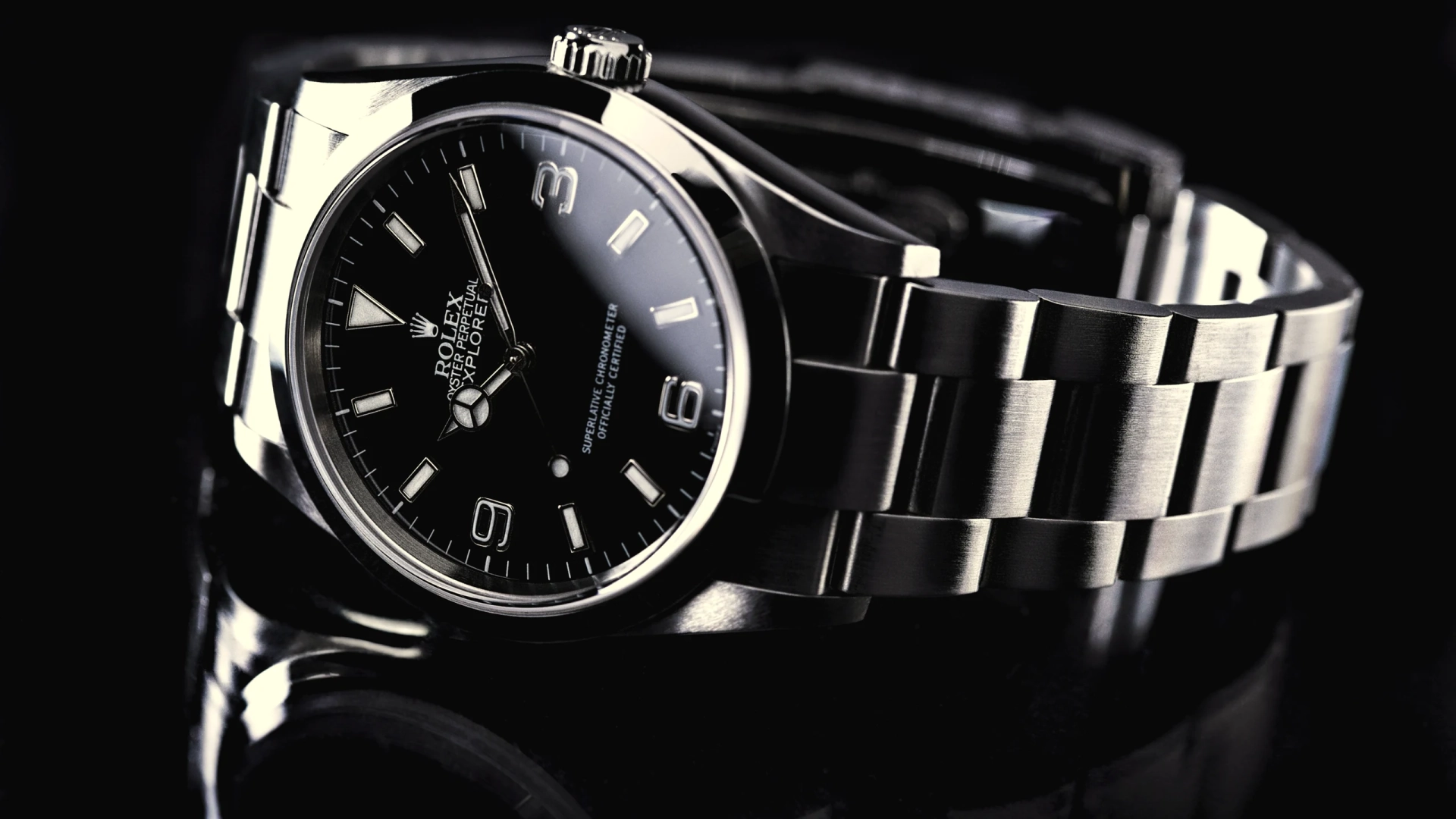
The double signature acts as an institutional seal of approval. It indicates that the watch was not merely produced by a great manufacturer, but was also selected, sold, and validated by one of the world's premier luxury institutions. This dual validation provides an extra layer of security and prestige for the collector, making the watch a highly desirable asset.
---
The Horological Taxonomy of the Modern Collector
The evolution of these three cultural codes—the tropical dial, the celebrity provenance, and the double signature—reflects a broader shift in the nature of luxury collecting. In the early days of horology, value was determined by mechanical complexity and precision. A watch was judged by its complications—tourbillons, perpetual calendars, minute repeaters—and its ability to keep accurate time.
In the modern era, however, mechanical precision has been commoditized. A quartz watch or a smartphone can keep time far more accurately than any mechanical movement. As a result, the value of a mechanical watch has shifted from its utility as a timekeeping instrument to its status as a cultural artifact. The modern collector is not looking for a perfect, sterile machine; they are looking for a physical record of human history, culture, and chemistry.
```
The Shift in Horological Value Drivers
┌──────────────────────────────────────┬──────────────────────────────────────┐
│ Traditional Value Drivers │ Modern Cultural Codes │
├──────────────────────────────────────┼──────────────────────────────────────┤
│ • Mechanical Precision │ • Chemical Patination (Tropical) │
│ • Complications (Tourbillon, etc.) │ • Associational Provenance (Newman) │
│ • Pristine, Unworn Condition │ • Institutional Validation (Tiffany) │
│ • Standardized Production │ • Micro-Variants and Rarity │
└──────────────────────────────────────┴──────────────────────────────────────┘
```
This shift has led to the development of a highly sophisticated horological taxonomy, where collectors analyze and categorize watches based on the smallest details. A single line of text, the shape of a font, the specific shade of an oxidized dial, or the presence of a tiny retailer stamp can cause the value of a watch to fluctuate by hundreds of thousands of dollars.
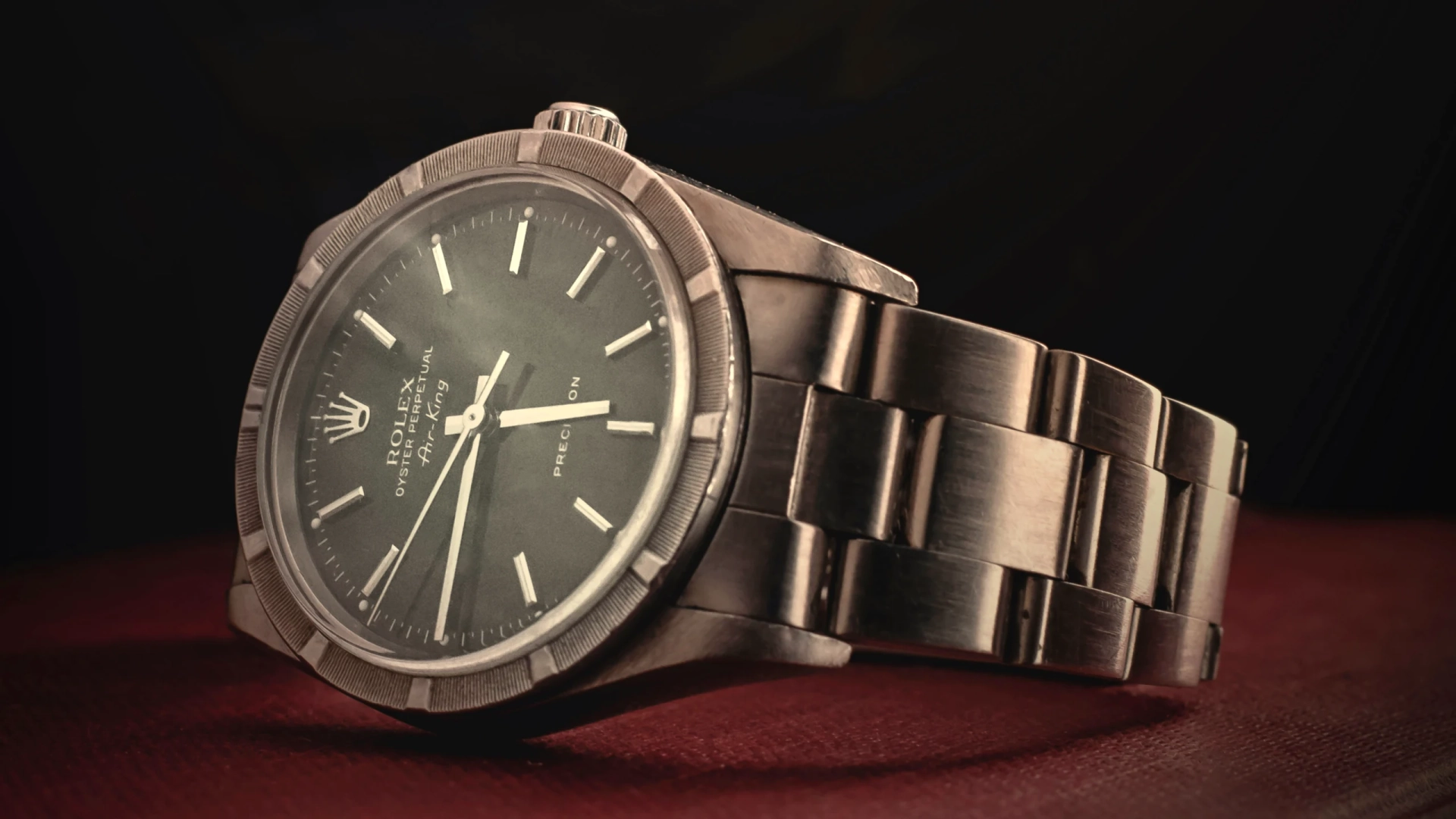
This taxonomy is maintained and validated by a complex ecosystem of auction houses, scholars, dealers, and collectors. Publications such as *HODINKEE*, *Monochrome*, and *Revolution*, along with specialized forums and social media accounts, play a crucial role in documenting and analyzing these cultural codes. They provide the research, historical context, and market data that allow collectors to navigate this complex landscape.
The rise of these cultural codes has also changed the way manufacturers approach their own heritage. Brands like Rolex, Patek Philippe, and Audemars Piguet are increasingly active in preserving their history, launching heritage departments, acquiring important vintage pieces for their own museums, and releasing modern re-editions that pay tribute to historic models. By celebrating their past, these brands reinforce the value of their vintage pieces, creating a virtuous cycle that benefits both the brand and the collector.
---
The Future of Provenance in a Digital Age
As the vintage watch market continues to mature, the way provenance is documented and verified is undergoing a technological transformation. The traditional paper certificates, service receipts, and auction catalogs that have long served as the bedrock of provenance are being supplemented—and in some cases replaced—by digital ledgers and blockchain technology.
Several leading watchmakers have already begun implementing these technologies to secure the provenance of their timepieces:
* **Vacheron Constantin:** The Geneva manufacturer was one of the first to adopt blockchain technology, partnering with Arianee to provide digital identities for its watches. These digital certificates record the watch's entire history, including ownership transfers, service records, and authentication details, creating an unalterable record of provenance.
* **Audemars Piguet:** The brand has introduced a comprehensive coverage program that includes digital registration and authentication, ensuring that the history of each Royal Oak and Code 11.59 is securely documented from the moment it leaves the manufacture.
* **Breitling:** Since 2020, all new Breitling watches have been accompanied by a digital passport secured by the Arianee blockchain. This passport allows owners to verify the authenticity of their watch, track its service history, and transfer ownership securely.
While these digital tools provide a secure and efficient way to document provenance for modern watches, they cannot replace the physical, analog proof that makes vintage pieces so compelling. A digital certificate can record that a watch was owned by a specific individual, but it cannot replicate the physical wear, the unique oxidation of a tropical dial, or the hand-stamped retailer signature that tells the story of the watch's life.
For the serious collector, the appeal of vintage horology will always lie in these physical, tactile details. They are the tangible evidence of a watch's experience through time, the physical manifestation of its history, and the ultimate source of its value. In a world that is increasingly digital, virtual, and ephemeral, the physical reality of a vintage watch—with all its imperfections, associations, and historic stamps—remains the ultimate luxury asset.
In a quiet corner of a private viewing room in Mayfair, London, a collector holds a vintage Rolex Daytona under a loupe. The light catches the subtle, warm tones of a tropical dial, highlighting the tiny "Tiffany & Co." stamp just below the hands. The watch is silent, save for the rapid, steady beat of its mechanical heart. It is a physical survivor of a bygone era, a unique piece of history that has been shaped by the sun, the air, and the hands of those who wore it. For the collector, this is more than a watch; it is a physical connection to the past, a cultural artifact whose value is measured not in seconds, but in stories.
Shopygram Exclusive Intelligence
Horological Complexity vs Market Value
Index: 2015 = 100 · Complicated Calibres vs Steel Sport
Intelligence Source: HAGI Watch Index
The Intelligence Behind the Destination
What separates haute horlogerie from luxury watchmaking?
Volume, hand-finishing standard, and movement pedigree. A luxury watch is produced in thousands of units with significant automation. Haute horlogerie involves dozens to hundreds of pieces, hand-decorated movements, and an emphasis on complications that cannot be reliably executed at scale.
Why do some watches become more valuable than others?
Four factors dominate: scarcity (production volume relative to demand), provenance (ownership history and condition documentation), reference significance (historical or technical importance of that specific model), and community consensus — what serious collectors collectively agree is important.
Which watch brands are most respected among serious collectors?
The acknowledged canon: Patek Philippe, A. Lange & Söhne, F.P. Journe, Philippe Dufour, and Greubel Forsey. Among independent makers: MB&F, De Bethune, and H. Moser. What these share: extremely limited production, exceptional finishing, and no interest in mass market accessibility.
The Author