Escapes
The Twelve Anchorages: The Social Geography and Choreographed Migrations of the Mediterranean Superyacht Circuit
Porto Cervo, Mykonos, Portofino—every July, the same 300 vessels occupy the exact same anchorages in identical sequence. The unwritten social architecture behind the summer migration.
The Twelve Anchorages: The Social Geography and Choreographed Migrations of the Mediterranean Superyacht Circuit
The Geometry of the Mediterranean Summer
The Mediterranean yachting season is not merely a sequence of ports; it is a rigid, unspoken choreography of capital and social standing. By June, the AIS signals on MarineTraffic begin to cluster with mathematical precision, tracing the movement of the global elite as they migrate from the Tyrrhenian to the Aegean. According to the 2024 Superyacht Group Annual Report, the total value of the global fleet now exceeds €65 billion, with the Mediterranean accounting for nearly 60% of all charter activity during the summer months. This migration follows a specific cadence, governed by the availability of berths in ports where the cost of a single night’s mooring can exceed the annual salary of a mid-level professional.
For the owner of a 50-meter vessel, the season begins in the emerald waters of Porto Cervo, Sardinia. In June, the Costa Smeralda is a theater of quiet power, where the Aga Khan’s legacy remains etched into the granite coastline. Here, the ritual of the tender is paramount; the arrival of a custom-built Riva or a sleek, carbon-fiber chase boat is the primary signal of one’s arrival. Charter rates for a 40-60 meter vessel during this window typically hover between €200,000 and €450,000 per week, excluding fuel, provisioning, and the 20% VAT often applied in Italian waters.
As the calendar turns to late June, the fleet pivots toward Portofino. The harbor, a narrow, horseshoe-shaped inlet, offers limited space, forcing captains to anchor off the coast of Paraggi. The sensory experience is distinct: the smell of pine needles mixing with the diesel exhaust of idling tenders, and the sound of clinking crystal at the Hotel Splendido. It is here that the social architecture of the circuit becomes visible. One does not simply dock in Portofino; one negotiates for a position that allows for a clear line of sight to the Piazzetta, where the evening’s alliances are formed over glasses of chilled Vermentino.
The Tyrrhenian Pivot: Capri and Positano
By early July, the center of gravity shifts south to Capri. The anchorage off Marina Grande is notoriously volatile, yet it remains the essential stop for those who prioritize visibility. According to data from the 2025 Prime Global Cities Index by Knight Frank, Capri continues to command some of the highest real estate premiums in Europe, a trend mirrored by the exorbitant cost of seasonal berthing. A 50-meter yacht might pay upwards of €5,000 per night for a prime spot, a figure that is negligible when compared to the social capital gained by hosting a dinner party under the shadow of the Faraglioni.
Positano follows in mid-July, offering a vertical landscape that challenges the logistics of even the most seasoned crew. The anchorage is exposed, requiring a vigilant watch, yet the visual reward—the cascading pastel houses illuminated against the twilight—is unmatched. It is a place of high-intensity social friction. On a humid Tuesday evening, one might observe a billionaire hedge fund manager from Greenwich, Connecticut, navigating a custom tender toward the beach at La Scogliera, his presence marked not by a megaphone, but by the subtle, unmistakable silhouette of his 55-meter vessel anchored a mile offshore.
The economics of these stops are dictated by the scarcity of space. In Positano, the local authorities strictly regulate the number of large vessels permitted to anchor, creating a secondary market for mooring rights that operates entirely outside of official channels. For the charterer, the cost of a week in the Amalfi Coast during July can easily escalate to €600,000 when accounting for the premium on local services, private security, and the logistical complexity of sourcing rare vintages of Sassicaia to be delivered via helicopter to the deck.
The Aegean Transition: Mykonos and Scorpios
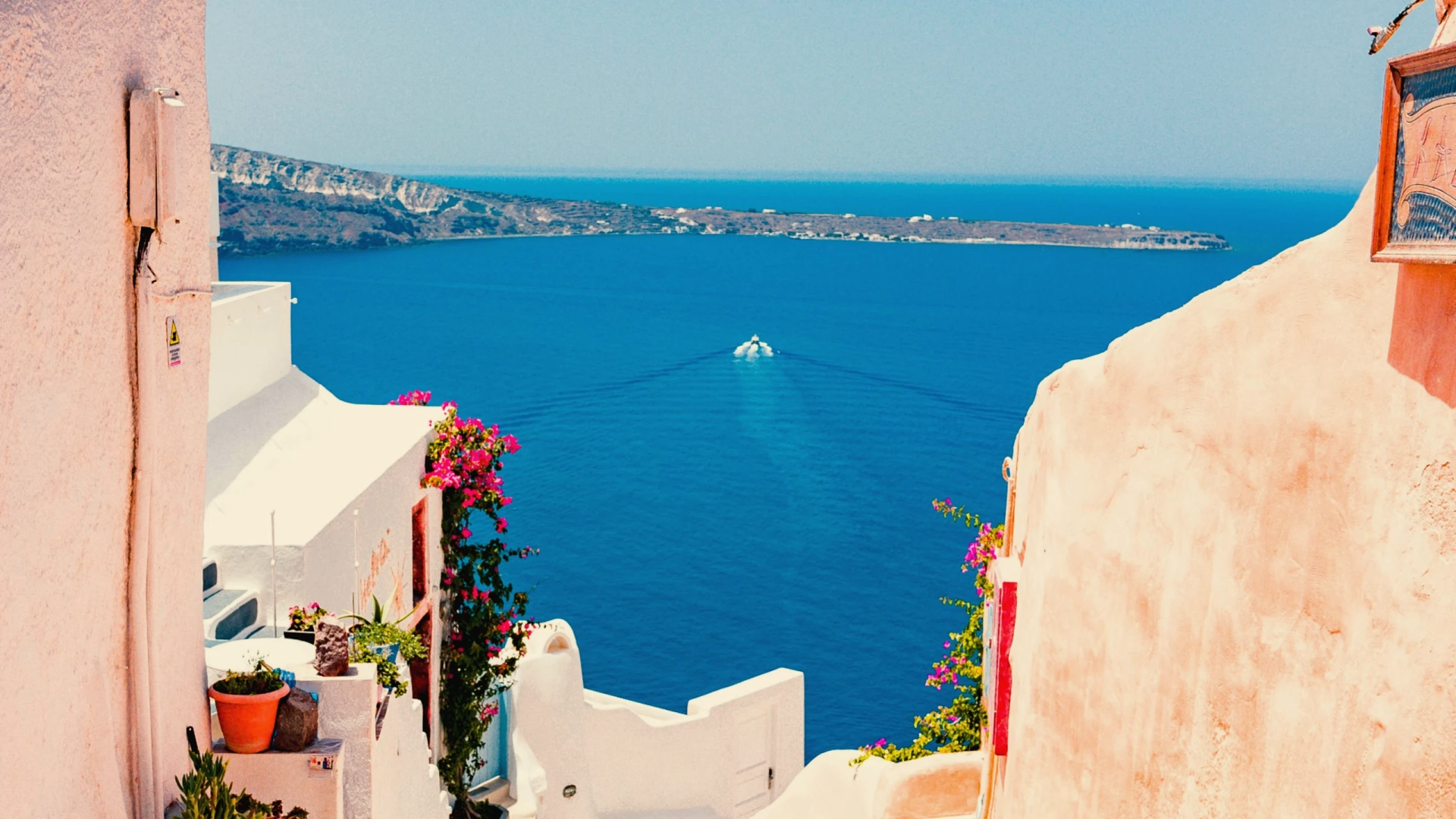
Mid-July marks the transition to the Aegean, a shift that requires a change in both navigation and temperament. Mykonos is the epicenter of this transition, where the winds—the infamous Meltemi—dictate the schedule. The anchorage at Ornos or Psarou is less about the harbor and more about the proximity to the beach clubs that define the island’s modern identity. Here, the charter market is hyper-competitive; a 50-meter yacht that commanded €300,000 in Sardinia can see its rate climb to €550,000 in the Cyclades due to the sheer demand for high-end hospitality.
Scorpios, the private island once owned by Aristotle Onassis, represents the spiritual heart of the Aegean circuit. While the island itself is now under different stewardship, the anchorage remains a pilgrimage site for the yachting elite. It is a place of relative quiet compared to the frenetic pace of Mykonos. In late July, the water is a deep, translucent indigo, and the silence is broken only by the hum of a generator or the distant sound of a seaplane arriving from Athens. It is here that the true nature of the circuit is revealed: it is a closed loop, a series of private enclaves that exist in parallel to the public world.
The logistical burden of operating in the Aegean is significant. According to the International Council of Marine Industry Associations (ICOMIA), the cost of maintaining a superyacht in Greek waters has risen by 15% annually since 2022, driven by increased fuel taxes and the rising cost of specialized technical support. Yet, for the owner, this is a secondary concern. The value lies in the ability to move between these anchorages, maintaining a consistent standard of living while traversing the most historically significant waters in the world.
The Eastern Frontier: Bodrum and the Yalıkavak Marina
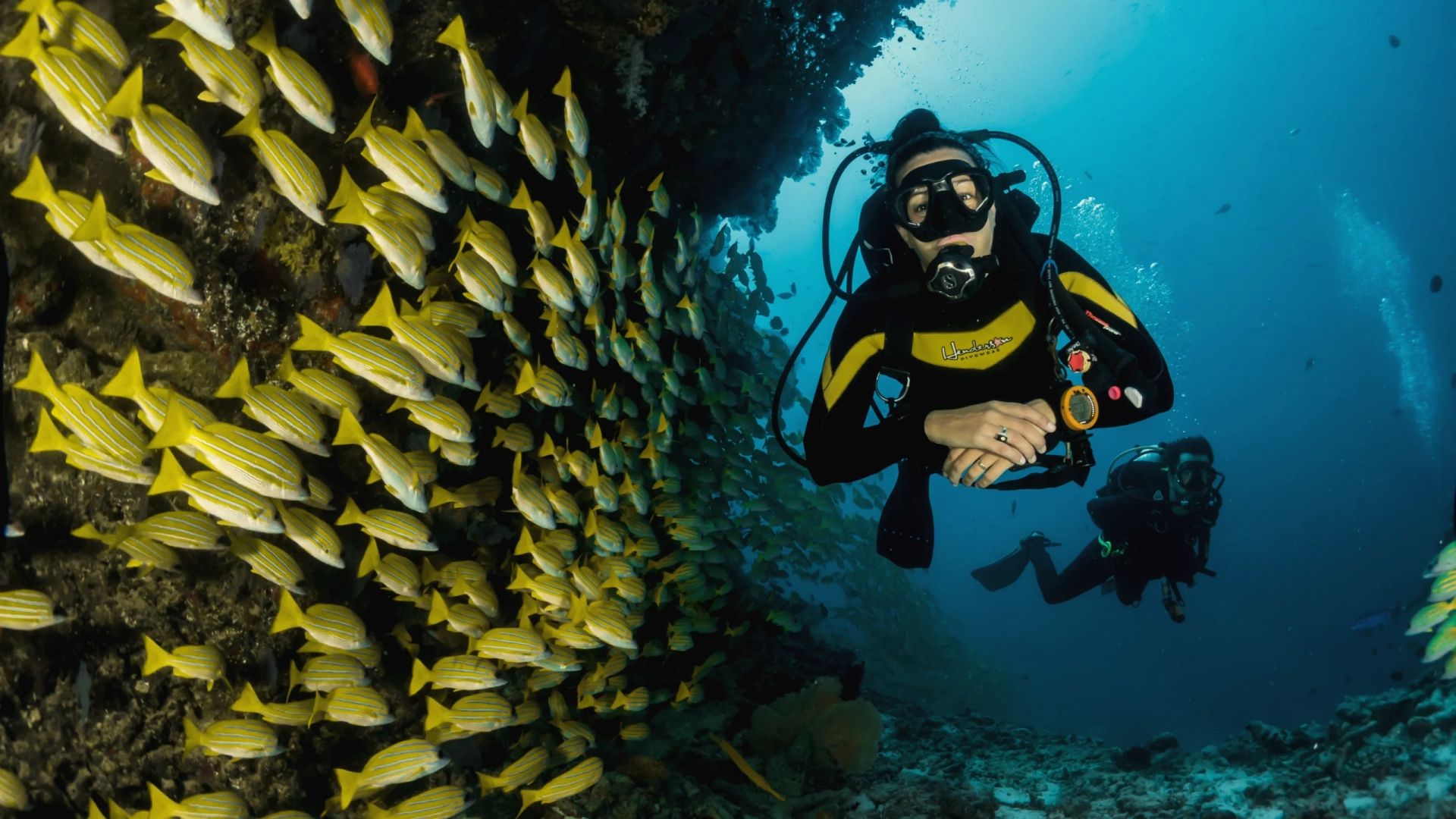
August brings the fleet to Bodrum, specifically the Yalıkavak Marina, which has transformed into the most sophisticated yachting hub in the Eastern Mediterranean. The marina, a recipient of the Yacht Harbour Association’s "Superyacht Marina of the Year" award, is a marvel of modern engineering. It is designed to accommodate vessels up to 140 meters, providing a level of infrastructure that is often lacking in the more traditional ports of the Western Mediterranean. The shift to Turkey is not merely geographic; it is a tactical move to escape the overcrowding of the French and Italian Rivieras.
In Yalıkavak, the atmosphere is one of opulent efficiency. The marina is integrated into a luxury retail complex, where one can find everything from bespoke tailors to high-end art galleries. The cost of berthing here is competitive, often 30% lower than in Monaco or Antibes, yet the quality of service is arguably superior. For a 50-meter yacht, the weekly charter rate in August remains high, often exceeding €500,000, but the value proposition is bolstered by the access to the pristine, less-trafficked anchorages of the Gökova Gulf.
The human element of the Bodrum circuit is distinct. One might encounter a tech entrepreneur from Silicon Valley sharing a dock with a European industrialist, both drawn by the promise of anonymity and the exceptional quality of the local cuisine. A sensory memory from a late August evening in Yalıkavak: the smell of grilled octopus and woodsmoke drifting from the shore, the rhythmic slapping of water against the hull of a 60-meter Benetti, and the distant, melodic call to prayer echoing across the bay, grounding the modern luxury of the yacht in the ancient landscape of the Anatolian coast.
The Western Return: Ibiza and Saint-Tropez
By late August, the migration turns back toward the Western Mediterranean, with Ibiza serving as the primary waypoint. The anchorage at Formentera, just a short tender ride from Ibiza, is the preferred destination for those seeking the clearest water in the Mediterranean. The social scene is intense, characterized by long, multi-day parties that blur the line between day and night. The charter rates here are among the highest in the circuit, reflecting the island’s status as the global capital of summer nightlife.
Saint-Tropez, in late August, is the final act of the summer season. The port is a microcosm of the entire circuit: a dense, high-pressure environment where the social hierarchy is displayed in the placement of the yachts along the Quai d’Honneur. To secure a berth here during the peak of the season is a feat of influence, often requiring months of negotiation and significant financial incentives. The cost of a week’s charter in Saint-Tropez can reach €800,000 for a 60-meter vessel, a price that includes the premium for being at the center of the world’s most exclusive social stage.
The contrast between the quiet anchorages of the Aegean and the frantic energy of Saint-Tropez is stark. In Saint-Tropez, the yacht is a platform for performance. The tender is no longer just a means of transport; it is a statement of intent, a high-speed, high-design vessel that signals the owner’s presence to the entire harbor. The data from the French Riviera’s port authorities indicates that the number of yachts over 50 meters visiting Saint-Tropez has remained steady at approximately 1,200 per season, despite the increasing regulatory pressure on large vessels in the region.
The Grand Finale: Monaco and Antibes
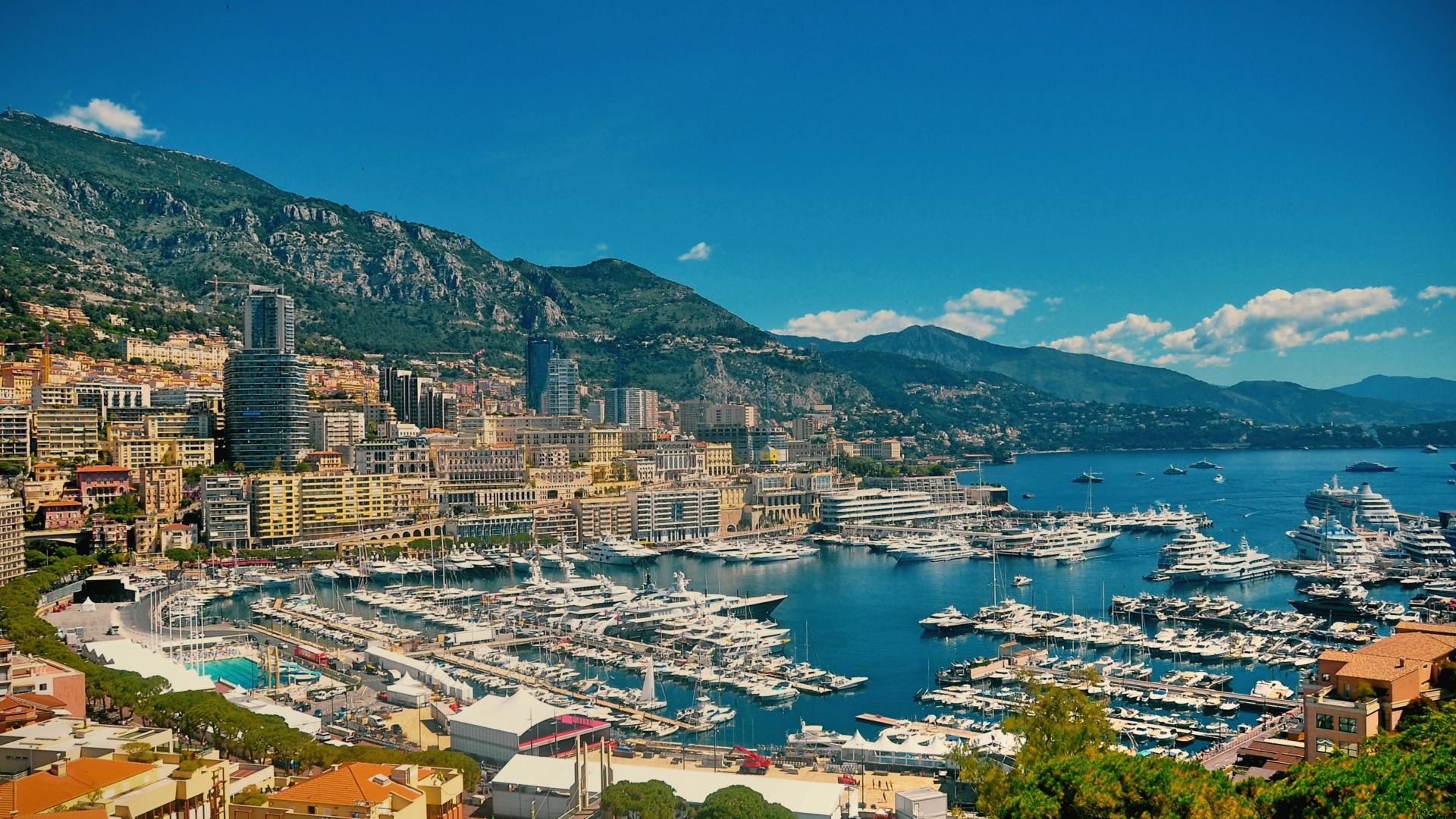
September is the month of the Monaco Yacht Show, the most significant event in the industry’s calendar. For the twelve-stop circuit, Monaco is the administrative and symbolic capital. The harbor is transformed into a floating showroom, where the latest innovations in naval architecture are unveiled. The cost of a berth during the show is astronomical, often exceeding €50,000 for a few days, yet the value is in the networking. It is here that the next year’s charters are booked, and the next generation of yachts is commissioned.
Antibes, specifically Port Vauban, serves as the primary technical hub for the fleet. While Monaco is for display, Antibes is for maintenance. It is the largest yachting port in the Mediterranean, capable of hosting the world’s most significant vessels. In September, the port is a hive of activity, as captains and engineers prepare their vessels for the winter season or for the transit to the Caribbean. The atmosphere is professional, focused, and deeply technical, a stark contrast to the hedonism of the summer months.
According to the 2024 Global Superyacht Market Review, the average age of the superyacht fleet is currently 14 years, a statistic that highlights the constant need for refits and upgrades, much of which is managed in the shipyards surrounding Antibes. A scene from a late September afternoon at Port Vauban: a team of technicians in white overalls meticulously polishing the stainless steel railings of a 70-meter vessel, the sound of a heavy-duty crane lifting a tender from the water, and the sharp, metallic tang of welding in the air. It is the reality of the industry, the necessary labor that sustains the illusion of effortless luxury.
The Final Anchorage: Palma de Mallorca
The circuit concludes in October in Palma de Mallorca. As the Mediterranean cools, the fleet gathers in the Balearics for the final leg of the season. Palma is the ideal location for the transition to winter; it offers a blend of urban sophistication and maritime infrastructure that is unmatched in the region. The city is a hub for the yachting industry, home to some of the world’s most respected naval architects, interior designers, and specialized suppliers.
The charter market in October is more relaxed, with rates often dropping by 20-30% compared to the peak of August. This is the time for the "owner’s cruise," where the pressure of the social circuit subsides, and the focus shifts to the enjoyment of the vessel itself. The anchorage at Cabrera, a protected national park south of Mallorca, provides a final, serene experience before the yachts are either hauled out for the winter or prepared for the Atlantic crossing.
The twelve-stop circuit is a closed system, a self-perpetuating cycle of capital, social standing, and logistical precision. It is governed by the invisible rules of the sea and the very visible rules of the harbor. As the last of the yachts leave the Mediterranean for the Caribbean or the shipyards of Northern Europe, the ports of the Mediterranean return to their local rhythms. The AIS signals on MarineTraffic fade, the tenders are stowed, and the social architecture of the summer dissolves, leaving behind only the memories of the season and the anticipation of the next.
Shopygram Exclusive Intelligence
Seasonal Berth Inflation — Porto Cervo vs Monaco
Index: 2018 = 100 · Peak August Rates
Intelligence Source: IGY Marinas Intelligence
Market Intelligence current as of April 2026
The Curator's Selection
EscapesBurgess Yachts — Mediterranean Charter
The leading superyacht charter brokerage for the Mediterranean circuit, with the most comprehensive fleet across Porto Cervo, Positano, Mykonos, and Capri.
Boatbookings — Luxury Yacht Charter
Instant availability and transparent pricing across the Mediterranean circuit — specialist knowledge of anchorage availability by week.
Shopygram may receive a referral fee when you transact through these links. Our editorial recommendations are independent of commercial relationships.
The Intelligence Behind the Destination
Which is the most exclusive anchorage in the Mediterranean?
Porto Cervo's inner harbour. The Aga Khan's Yacht Club Costa Smeralda controls the primary berths, and access is governed by membership and longstanding harbour relationships — not simply vessel size or charter rate.
When is the Mediterranean superyacht season at its peak?
The second and third weeks of August represent peak social density. Monaco GP week in May is the most concentrated prestige event. September is preferred by owners who value slightly less density and better wind conditions.
What separates serious superyacht operators from first-time charterers?
Route planning fidelity, AIS positioning discipline, and understanding the unwritten codes of anchorage — specifically, which anchorages are by convention reserved for which vessel classes, and how proximity to other vessels is interpreted socially.
The Author
Orla Deveney
Contributing Editor — Travel, Hospitality & Lifestyle IntelligenceAviation and marine correspondent with a decade covering private aviation markets, superyacht ownership, and ultra-high-net-worth mobility.