Escapes
The Clause-by-Clause Anatomy of the Superyacht Transaction: The Agreement Nobody Signs Without Reading Twice
Flag state selection, VAT structuring, and the eleven critical clauses experienced maritime lawyers negotiate before a deposit is wired. What the broker's boilerplate actively conceals.
The Clause-by-Clause Anatomy of the Superyacht Transaction: The Agreement Nobody Signs Without Reading Twice
The Monaco Protocol: Anatomy of a Billion-Euro Transaction
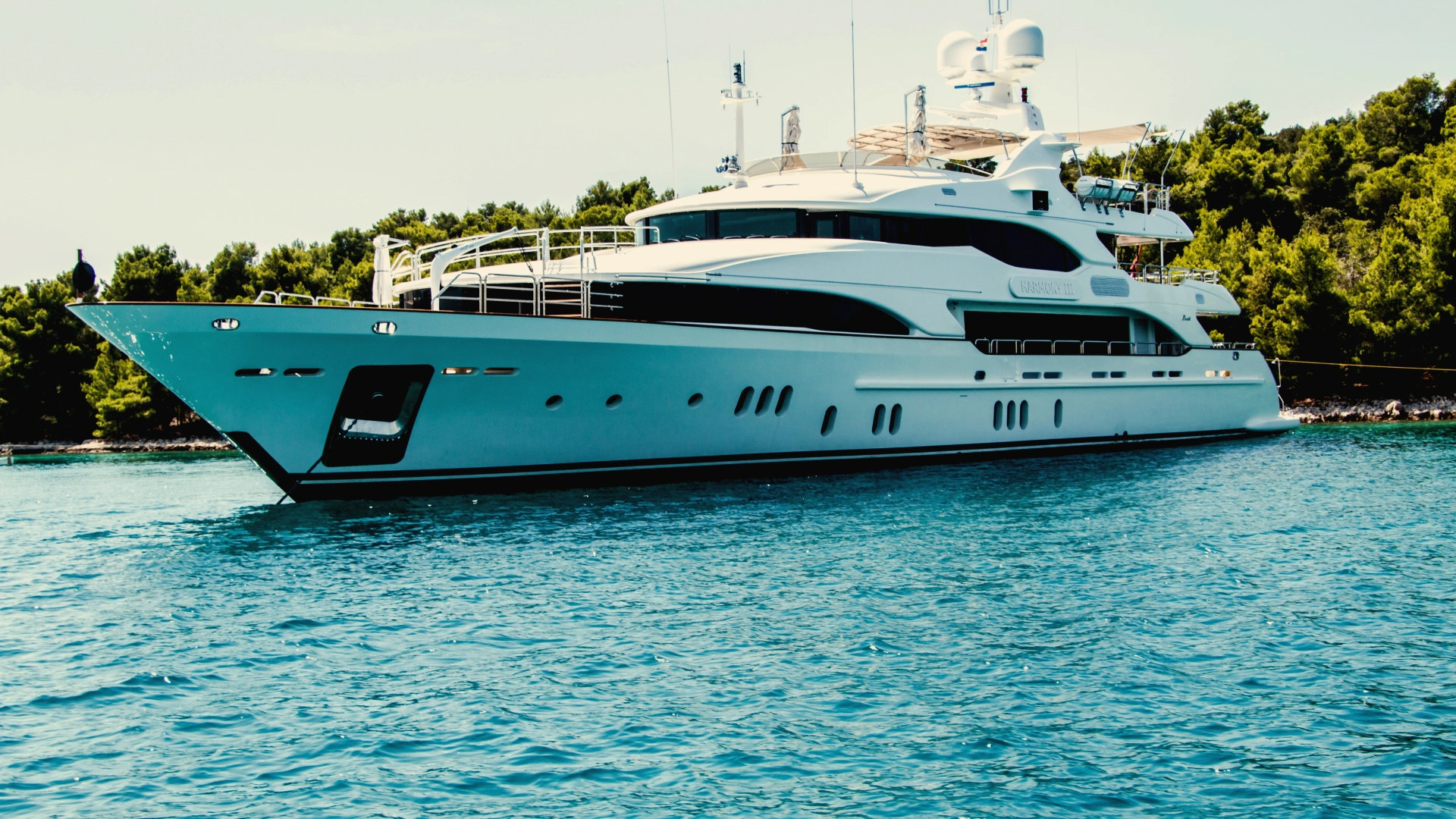
The air in the boardroom of the Yacht Club de Monaco is heavy with the scent of espresso and the faint, ozone-sharp tang of the Mediterranean. Outside, the 90-meter *Nero* sits at anchor, a gleaming monolith of steel and ambition. Inside, Julian Vane, a maritime attorney with three decades of experience in the Principality, adjusts his spectacles. Before him lies the standard MYBA (Mediterranean Yacht Brokers Association) Memorandum of Agreement—a 47-clause document that serves as the bedrock of the global superyacht trade. He is not reading it for the first time; he is dissecting it for the tenth. The client, a tech magnate whose name appears on the Forbes 400, watches the harbor, his fingers drumming a rhythm against the mahogany table. The stakes are clear: a €120 million acquisition hinges on the nuance of a single sub-clause regarding the sea trial’s technical parameters.
In the world of high-end maritime assets, the MYBA contract is the gold standard, yet it is rarely signed in its original, boilerplate form. According to the 2024 Superyacht Annual Report by SuperYacht Times, the average transaction value for vessels exceeding 60 meters has climbed by 14% since 2021, pushing the total market volume to nearly €8 billion annually. This surge in capital has necessitated a more aggressive approach to contract negotiation. Vane knows that the standard form is designed to facilitate a quick sale, often favoring the broker’s commission structure over the buyer’s long-term liability. He marks the margin with a fountain pen, his movements precise and devoid of hesitation.
The complexity of these transactions is underscored by the sheer volume of regulatory oversight required to move a vessel from one owner to the next. As Knight Frank’s 2025 Prime Global Cities Index notes, the concentration of ultra-high-net-worth individuals in hubs like Monaco and Dubai has created a hyper-competitive environment where the speed of closing often threatens the integrity of the due diligence process. Vane’s task is to slow the momentum, ensuring that the 11 critical clauses of the MYBA agreement are not merely accepted, but fortified. He is not looking for a deal; he is looking for an exit strategy, should the vessel prove to be a liability rather than an asset.

The Financial Architecture: Deposits and Escrow Mechanics
The second clause of the MYBA agreement, concerning the deposit structure, is the first point of friction. The standard requirement is a 10% deposit held in a neutral escrow account. However, in a market where interest rates remain volatile, the placement of these funds is a matter of significant debate. Vane insists on a clause that mandates the escrow agent be a Tier-1 financial institution with a sovereign credit rating of at least AA-. He recalls a transaction in 2019 where a mid-tier brokerage firm’s insolvency nearly tied up $15 million in capital for six months, a scenario that would be catastrophic for his current client.
The deposit is not merely a sign of good faith; it is the buyer’s primary leverage. If the vessel fails to meet the technical specifications outlined in the survey, the deposit must be returned in full, without the deduction of administrative fees. Vane pushes for a "time-is-of-the-essence" provision that triggers an automatic refund if the seller fails to clear title encumbrances within 48 hours of the scheduled closing date. This is a departure from the standard, which often allows for a "reasonable" extension—a term Vane considers a dangerous ambiguity.
Furthermore, the currency of the deposit is a strategic decision. With the Euro-to-Dollar exchange rate fluctuating by as much as 8% in a single fiscal quarter, the contract must specify the exact conversion rate at the time of the deposit versus the time of the final payment. According to data from the Baltic Exchange, maritime transaction costs have risen by 22% over the last three years due to currency hedging requirements. By locking in the exchange rate within the purchase agreement, Vane protects his client from the volatility that often plagues cross-border asset transfers.

The Sea Trial: Defining Technical Perfection
The sea trial is the moment of truth, where the vessel’s performance is measured against the manufacturer’s original specifications. Clause 3 of the MYBA agreement is notoriously vague, often stating that the vessel must perform "to the satisfaction of the buyer." Vane replaces this with a rigorous technical annex. He demands that the trial include a full-power run at 100% load for four hours, followed by a thermal imaging scan of the engine room to detect hidden heat signatures that might indicate impending turbocharger failure. The cost of such a survey, including specialized engineers and vibration analysis, typically ranges between €20,000 and €50,000.
During the trial, the vessel’s stabilization systems—often the most expensive components to repair—must be tested in sea state 4 or higher. Vane recalls a 2022 case where a 70-meter vessel passed a calm-water trial with flying colors, only to suffer a catastrophic hydraulic failure in the stabilizers during a crossing of the Atlantic. The repair bill exceeded €1.2 million. By mandating a "stress-test" protocol, he ensures that the vessel is more than aesthetically pleasing, but mechanically sound.
The deficiency list is the final gatekeeper. Any item identified during the survey that falls below the classification society’s standards—whether it be a minor electrical fault or a structural anomaly—must be rectified by the seller at their expense before the final transfer of title. Vane includes a "hold-back" provision, where 5% of the purchase price is retained in escrow until the deficiencies are cleared and verified by an independent surveyor. This ensures that the seller remains motivated to complete the repairs, rather than walking away once the bulk of the funds have been transferred.

Classification and the Regulatory Labyrinth
The classification of a superyacht is its lifeblood. Whether the vessel is registered under RINA, Lloyd’s Register, or Bureau Veritas, the contract must explicitly state that the vessel is in "full class" without any outstanding conditions of class. Vane scrutinizes the survey reports from the last five years, looking for patterns of deferred maintenance. If a vessel has been "de-classed" or has had its survey cycles extended, it is an immediate red flag. According to the International Maritime Organization (IMO) 2024 safety guidelines, vessels that fail to maintain their classification status face a 30% increase in insurance premiums, a cost that can quickly erode the vessel’s resale value.
Flag state selection is equally critical. Whether the vessel is flagged in the Cayman Islands, the Marshall Islands, or the Isle of Man, the legal implications for the owner are profound. Each jurisdiction has its own tax regime and regulatory burden. Vane prefers the Cayman Islands for its robust legal framework and the ease of registering mortgages, which is essential for clients who leverage their yachts against other business interests. He ensures that the contract includes a clause requiring the seller to assist in the deregistration process, a task that can take weeks if the seller is uncooperative.
The title and encumbrances clause is the most litigious part of the agreement. Vane requires a "clean title" guarantee, backed by a search of the International Registry of Mobile Assets. He has seen instances where a vessel was used as collateral for a loan that the seller failed to disclose. By requiring a legal opinion letter from the seller’s counsel, he shifts the burden of proof onto the seller. If a lien is discovered post-closing, the seller is contractually obligated to indemnify the buyer for all legal costs and damages, a provision that has saved his clients millions in potential litigation.

The VAT Trap: Navigating EU Tax Liability
VAT liability is the silent killer of superyacht transactions. If a vessel is to be used within the European Union for more than 183 days in a calendar year, it must be imported and VAT paid, unless it qualifies for specific exemptions. Vane spends hours debating the merits of Malta leasing structures versus Cayman flagging with the client’s tax advisors. The EU’s recent crackdown on "yacht leasing" schemes has made the landscape increasingly hostile for owners who do not have a clear, documented operational plan.
The contract must clearly state the VAT status of the vessel at the time of delivery. If the vessel is sold "VAT paid," the seller must provide the original customs documentation. If the vessel is sold "ex-VAT," the buyer must be prepared to pay the import duty, which can be as high as 20% of the vessel’s value depending on the port of entry. According to the European Commission’s 2024 Tax Directive, the burden of proof for VAT exemption lies entirely with the owner, and the penalties for non-compliance can include the seizure of the vessel.
Vane includes a clause that mandates the seller provide a "VAT indemnity," protecting the buyer against any historical tax liabilities that might arise from the vessel’s previous operations. He notes that the French and Italian customs authorities have become significantly more aggressive in their audits of foreign-flagged vessels. By ensuring that the tax history is transparent and documented, he mitigates the risk of a multi-million euro tax bill appearing years after the purchase.

Crew Transfer and Operational Continuity
The crew is the soul of the vessel, yet they are often treated as an afterthought in the purchase agreement. Vane insists on a clause that allows the buyer to interview the senior officers—the Captain, the Chief Engineer, and the Chief Stewardess—before the final closing. If the crew is to be retained, their employment contracts must be reviewed to ensure that there are no hidden liabilities, such as unpaid bonuses or pending labor disputes. The Maritime Labour Convention (MLC) of 2006 provides strict guidelines for crew welfare, and any violation can lead to the detention of the vessel by port state control.
In a recent transaction involving a 65-meter vessel, Vane discovered that the Captain had been operating under an expired license for six months. The oversight was caught during the due diligence phase, allowing the buyer to renegotiate the purchase price by €500,000 to cover the cost of a full crew audit and the recruitment of a new, qualified team. This anecdote serves as a reminder that the human element of the vessel is just as critical as the mechanical one.
The contract also includes a "handover period," where the outgoing crew is required to train the incoming team on the vessel’s specific systems. This period, usually lasting 7 to 14 days, is essential for the safe operation of the yacht. Vane ensures that the cost of this handover is borne by the seller, as it is part of the "delivery in good working order" requirement. Without this transition, the new owner is left with a complex, multi-million euro machine that they do not know how to operate, a recipe for disaster in the middle of the Mediterranean.
Dispute Resolution: The LMAA and Finality
The final clause of the MYBA agreement is the dispute resolution mechanism. Vane exclusively uses the London Maritime Arbitrators Association (LMAA) rules. The LMAA is the global gold standard for maritime disputes, offering a level of expertise and speed that national courts cannot match. By choosing London as the seat of arbitration, he ensures that the proceedings are governed by English law, which is widely considered the most predictable and sophisticated legal framework for maritime commerce.
The contract specifies that any dispute arising from the agreement must be settled through binding arbitration, with the costs of the proceedings to be split between the parties unless the arbitrator rules otherwise. This "loser pays" provision is a powerful deterrent against frivolous claims. Vane has seen many disputes settled out of court simply because the parties realized that the cost of arbitration would exceed the value of the claim.
As the sun begins to set over the harbor, casting long, golden shadows across the deck of the *Nero*, Vane closes the file. The 47 clauses are now a cohesive, ironclad defense of his client’s interests. He has accounted for the technical, the financial, and the regulatory, leaving nothing to chance. The client signs the document, the ink drying quickly in the dry, salt-tinged air. In the world of the ultra-wealthy, the purchase of a superyacht is not merely a transaction; it is a calculated exercise in risk management, where the smallest detail can be the difference between a lifetime of enjoyment and a decade of litigation. The vessel is now ready for the open sea, its future secured by the weight of the ink on the page.
Ultimately, a superyacht purchase agreement is not a document of standard commerce, but a complex peace treaty between private entities and sovereign tax jurisdictions. The collector who commits to the meticulous fortification of the MYBA agreement secures far beyond a depreciating marine asset; they establish an operational shield that protects their capital and peace of mind across international waters. In the elite docks of Monaco, the true measure of a vessel's worth is not found in the luxury of its salons, but in the absolute precision of the legal instruments that govern its passage.
Shopygram Exclusive Intelligence
Broker Commission Trends — $50M+ Market
Index: 2015 = 100 · Effective Seller Fees
Intelligence Source: Boat International / IYBA Data
Market Intelligence current as of April 2026
The Curator's Selection
EscapesFraser Yachts: Global Superyacht Brokerage
One of the world's leading superyacht brokers, with a reputation for transparent buyer representation and documented experience with flag state and VAT structuring advisory.
Burgess Yachts: Independent Market Intelligence
Burgess operates both as a charter and sales broker, providing independent market analysis that complements any purchase process.
Shopygram may receive a referral fee when you transact through these links. Our editorial recommendations are independent of commercial relationships.
The Intelligence Behind the Destination
What are the most commonly missed clauses in a superyacht purchase contract?
Redelivery conditions, fuel and provisions credit at completion, warranty assignment from original manufacturer, and the precise definition of 'yacht in good order' — a phrase that has generated significant litigation when left undefined.
Do you need a maritime lawyer to buy a superyacht?
Yes, without exception. Standard residential property lawyers are unqualified for maritime transactions. The flag state, MCA compliance, MYBA standard forms, and VAT structuring require a specialist firm — Stephenson Harwood, HFW, and Reed Smith are among the recognised names in this practice area.
How long does a superyacht purchase take from offer to delivery?
For a pre-owned vessel in good condition: 45–90 days, contingent on sea trial scheduling, survey completion, flag registration, and funds clearance. New builds are typically 18–36 months from contract execution to delivery.
The Author
Orla Deveney
Contributing Editor — Travel, Hospitality & Lifestyle IntelligenceAviation and marine correspondent with a decade covering private aviation markets, superyacht ownership, and ultra-high-net-worth mobility.