Cars
The Considered Original: The Economic and Philosophical Logic Driving the Restomod Collector Market
The restomod market outpaces the values of the factory originals they recreate. Inside the investment thesis and architectural philosophy of a collector class built on past automotive perfection.
The Considered Original: The Economic and Philosophical Logic Driving the Restomod Collector Market
The Architecture of Automotive Rebirth
The modern garage is no longer a graveyard for the obsolete; it is a laboratory for the impossible. For the ultra-high-net-worth collector, the traditional dichotomy between the vintage aesthetic and modern performance has collapsed. We are witnessing a fundamental shift in the valuation of automotive history, where the "restomod"—a portmanteau that once implied crude modifications—has matured into a sophisticated engineering discipline. According to the 2024 Hagerty Price Guide, the market for modified classic vehicles has expanded at a compound annual growth rate of 18% since 2018, now representing a $5 billion segment of the global collector car economy. This is not merely about restoration; it is about the aggressive pursuit of a mechanical ideal that never existed in the original factory specifications.
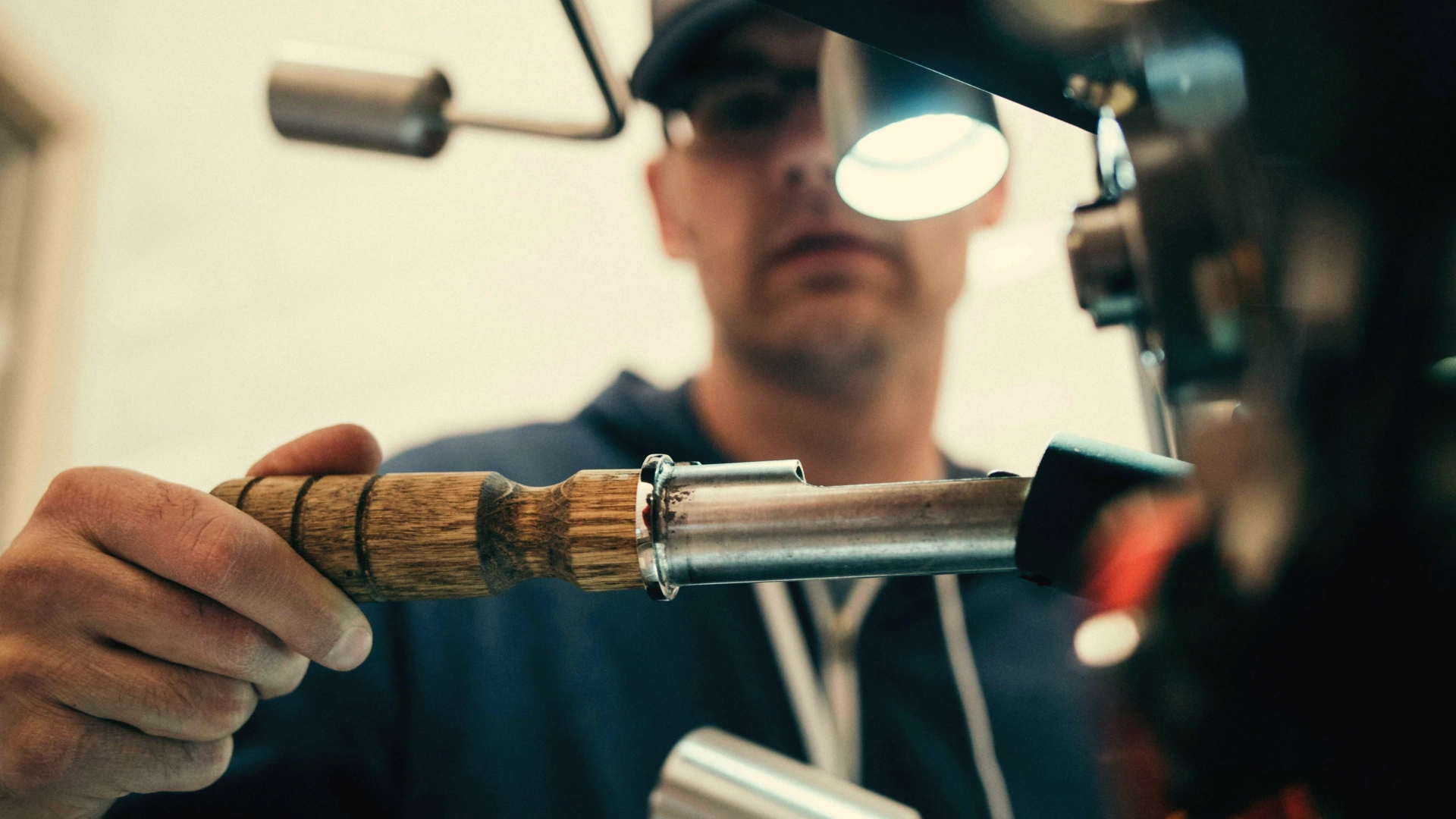
In the climate-controlled silence of a private hangar in Silverstone, the scent of high-octane fuel and Connolly leather hangs heavy. Here, a 1961 Jaguar XK120 sits on a lift, its chassis stripped to the bare metal, awaiting a transformation that will replace its internal combustion heart with a proprietary electric powertrain. The silence of the workshop is broken only by the rhythmic clicking of a torque wrench. This is the new frontier of the automotive experience: the marriage of mid-century design language with the instantaneous, silent torque of 21st-century electrification. It is a calculated rejection of the "originality" fetish that dominated the auction houses of the late 20th century, favoring instead a functional relevance that allows these machines to be driven with the reliability of a modern daily commuter.
The economics of this sector are as precise as the engineering. As noted in the Knight Frank 2025 Prime Global Cities Index, the appetite for tangible, high-performance assets has surged among family offices, with bespoke automotive projects often outperforming traditional blue-chip art in terms of utility-adjusted returns. When a collector commissions a build, they are not purchasing a car; they are acquiring a multi-year project management contract that involves aerospace-grade materials, computational fluid dynamics, and the preservation of a specific cultural moment. The barrier to entry is no longer just capital; it is the patience to navigate waitlists that frequently stretch into the middle of the decade.
The Singer Paradigm: Engineering the Air-Cooled Zenith
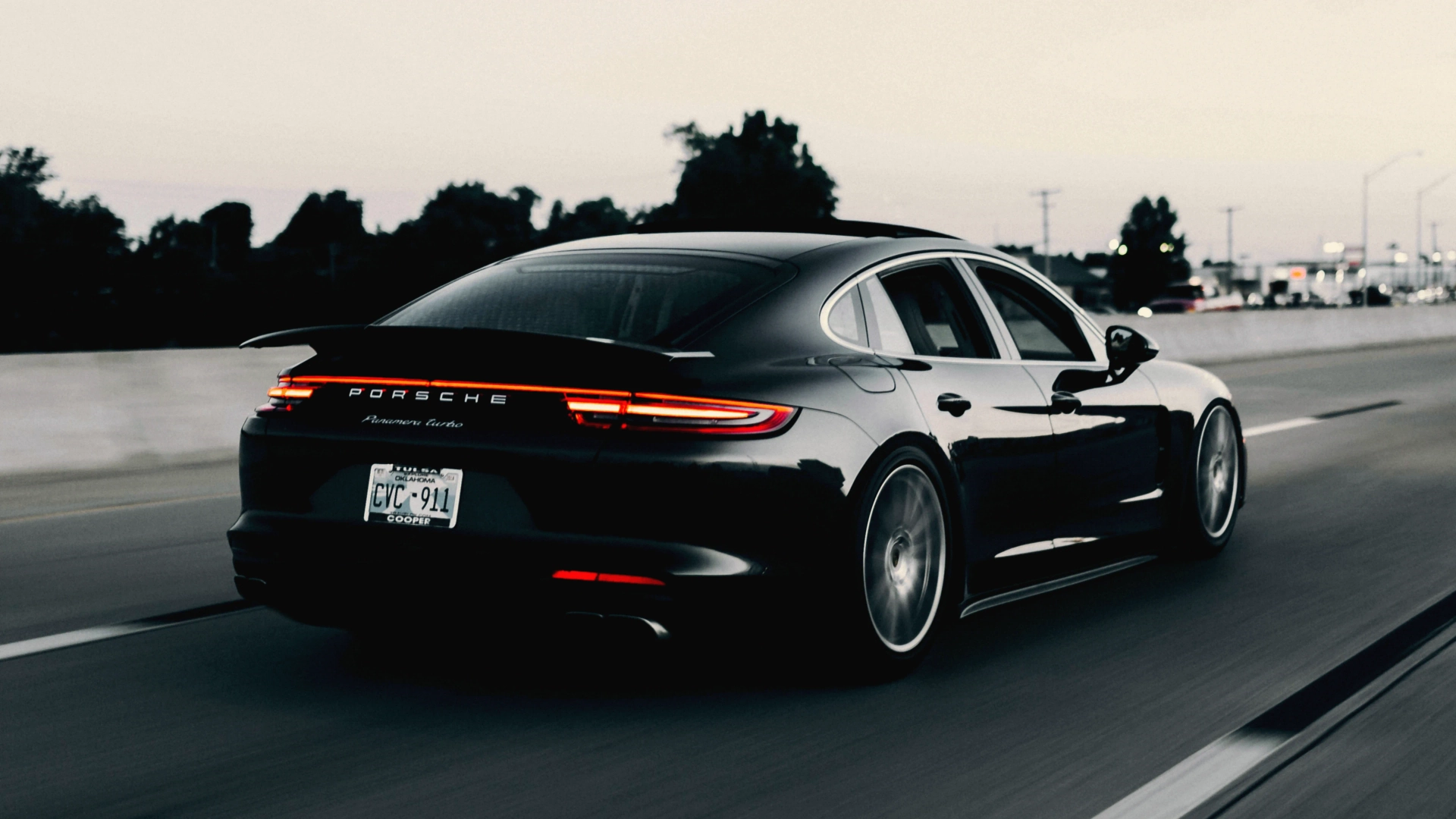
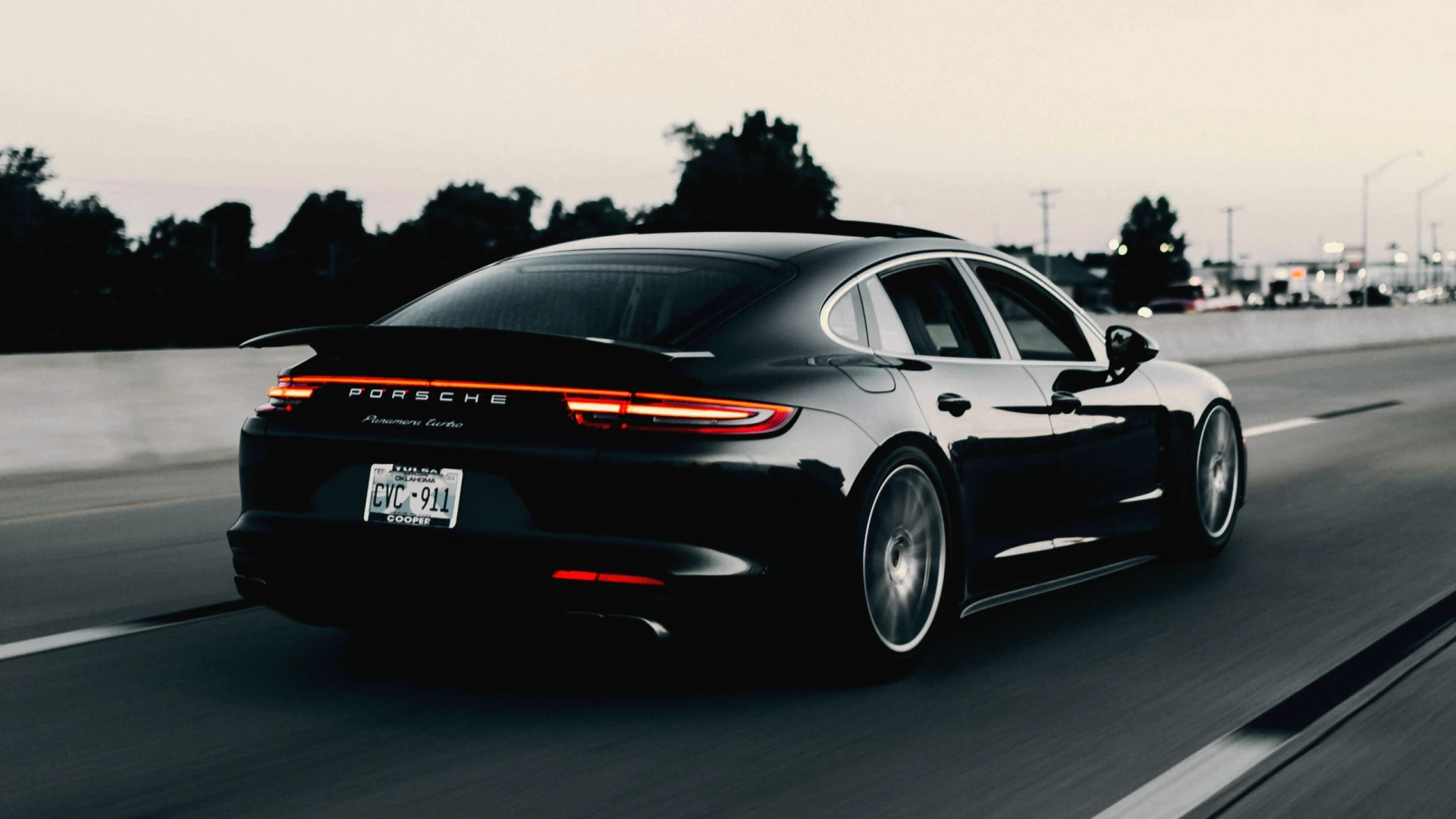
Singer Vehicle Design has effectively redefined the Porsche 911, not as a car, but as a platform for obsessive refinement. Rob Dickinson’s operation in California does not simply repair; it deconstructs the 964-generation chassis to its molecular level before rebuilding it with carbon-fiber bodywork and bespoke, naturally aspirated engines developed in collaboration with Williams Advanced Engineering. The Dynamics Lightweight Study (DLS), priced at approximately $1.8 million, is the apex of this philosophy. Limited to 75 commissions, each DLS requires over 4,000 hours of labor, a figure that underscores the sheer intensity of the process. The result is a machine that weighs less than 2,200 pounds and produces 500 horsepower, a power-to-weight ratio that renders most modern supercars cumbersome by comparison.
Beyond the DLS, the Singer portfolio demonstrates a tiered approach to the air-cooled experience. The Turbo Study, starting at roughly $850,000, caters to those who prefer the visceral, lag-heavy surge of forced induction, while the All-Terrain Competition Study (ACS), priced at $900,000, pivots toward the rally-bred heritage of the 911. These are not static museum pieces. In the secondary market, these vehicles have become a new class of currency, with DLS commissions frequently trading between $3.5 million and $5 million. The waitlist for a new build currently exceeds three years, a proof of the fact that Singer has successfully commodified the concept of "perfected history."
The sensory experience of a Singer is distinct from any factory Porsche. When the engine fires, the sound is not the muffled, compliant hum of a modern flat-six, but a sharp, metallic bark that resonates through the lightweight chassis. The interior, often finished in bespoke woven leather or houndstooth, feels like a high-end watch movement translated into upholstery. It is an exercise in restraint; there are no touchscreens or digital interfaces to distract from the mechanical connection between the driver and the road. Every switch, dial, and lever is machined from billet aluminum or nickel, providing a tactile feedback loop that is increasingly rare in an era of haptic plastic.
The Lunaz Approach: Electrifying the Aristocracy
If Singer represents the preservation of the mechanical soul, Lunaz Design represents its radical evolution. Based in Silverstone, the company specializes in the electrification of the most storied names in British motoring: Rolls-Royce, Bentley, and Jaguar. For the collector who finds the maintenance of a 1950s engine to be an unnecessary burden, Lunaz offers a solution that is both environmentally conscious and technically superior. A Rolls-Royce Silver Cloud converted by Lunaz starts at approximately £800,000, while the Bentley Continental Electric begins at £950,000. These are not mere engine swaps; they are complete re-engineerings of the vehicle’s electrical architecture, suspension, and braking systems to accommodate the weight and power delivery of a modern battery pack.
The philosophical divide between Singer and Lunaz is profound. Singer seeks to optimize the internal combustion engine to its theoretical limit, arguing that the sound and vibration are essential components of the driving experience. Lunaz, conversely, posits that the true value of a classic car lies in its aesthetic silhouette and the craftsmanship of its coachwork, both of which are enhanced by the silence and reliability of an electric powertrain. The Jaguar XK120 Electric, starting at £600,000, is perhaps the most striking example of this. By removing the temperamental XK engine and replacing it with a high-density battery array, Lunaz transforms a finicky vintage sports car into a vehicle capable of effortless, daily use in dense urban environments like London or Monaco.
Data from the 2024 Automotive Electrification Report suggests that the demand for "upcycled" luxury vehicles is being driven by younger ultra-high-net-worth individuals who prioritize sustainability alongside heritage. For these collectors, the ability to drive a 1960s Rolls-Royce into a low-emission zone without guilt is a luxury in itself. The engineering process at Lunaz involves 3D scanning the original chassis to ensure that the weight distribution remains as close to the original as possible, despite the addition of heavy battery modules. This meticulous attention to detail ensures that the handling characteristics—the "feel" of the car—are preserved, even as the propulsion method is entirely rewritten.

The Emerging Tier: Emory, Kimera, and the New Guard
While Singer and Lunaz dominate the headlines, the restomod ecosystem is populated by smaller, highly specialized firms that are pushing the boundaries of what is possible. Emory Motorsports, led by Rod Emory, has carved out a niche in the "Outlaw" Porsche scene, creating bespoke 356s that start between $400,000 and $700,000. Unlike the high-tech, carbon-fiber approach of Singer, Emory focuses on the "hot-rod" aesthetic, often blending different generations of Porsche parts to create a car that looks period-correct but performs with modern agility. These vehicles are characterized by their raw, unpolished charm and the distinct, aggressive stance that has become the hallmark of the Emory brand.
In Italy, Kimera Automobili has captured the imagination of the rally-obsessed collector with the EVO37, a modern interpretation of the Lancia 037. Priced at €480,000, the Kimera is a masterclass in nostalgia, utilizing a supercharged and turbocharged engine to replicate the visceral intensity of Group B rally cars. Unlike the Singer, which is a refined grand tourer, the Kimera is a brutal, uncompromising machine designed for the track. It represents a different facet of the restomod market: the desire to relive the golden age of motorsport with the safety and reliability of modern materials. The success of the Kimera project, which sold out its initial production run almost immediately, highlights the growing demand for niche, high-performance tributes.
DLS Motors and other boutique firms are also entering the fray, each bringing a unique perspective to the restoration process. The common thread among these emerging players is a refusal to accept the limitations of the original factory design. Whether it is through the use of 3D-printed titanium components or the integration of advanced telemetry systems, these builders are proving that the restomod market is not a monolith. It is a diverse landscape where the only constant is the pursuit of a specific, personalized vision of automotive perfection. As these firms scale, they are forcing the traditional manufacturers to take notice, with companies like Porsche and Aston Martin launching their own "heritage" divisions to compete for the same pool of capital.

The Economics of Obsession: Market Dynamics and Asset Valuation
The financial mechanics of the restomod market are as complex as the vehicles themselves. According to data from the 2024 Wealth-X Automotive Trends report, the average collector in this space holds a portfolio of at least five restomodded vehicles, with a total value exceeding $10 million. This is not a market for the casual enthusiast; it is a sophisticated asset class where provenance, build quality, and the reputation of the builder are the primary drivers of value. A Singer DLS, for instance, is more than a car; it is a piece of intellectual property, protected by patents and a brand identity that is as recognizable as any luxury fashion house.
The secondary market for these vehicles has become increasingly transparent, with specialized auction houses like RM Sotheby’s and Gooding & Company now dedicating significant catalog space to high-end restomods. The price volatility that once plagued the modified car market has largely evaporated, replaced by a steady appreciation that mirrors the performance of fine art. When a build is completed, the "commission" is often worth significantly more than the sum of its parts, a premium that reflects the scarcity of the builder’s time and the exclusivity of the design. This "builder premium" is the defining characteristic of the modern restomod economy.
However, the market is not without its risks. The reliance on a single builder for maintenance and parts can be a liability, particularly for smaller firms that lack the infrastructure of a major manufacturer. Collectors are increasingly looking for "future-proof" builds, where the engineering documentation is as comprehensive as the vehicle itself. This has led to a rise in the demand for detailed build logs, CAD files, and proprietary diagnostic tools, which are now considered essential components of the vehicle’s provenance. As the market matures, we can expect to see a consolidation of these smaller firms, with larger luxury conglomerates potentially acquiring the most successful builders to secure their place in this lucrative segment.
The Sensory Experience: Beyond the Spec Sheet
To understand the appeal of the restomod, one must move beyond the technical specifications and into the sensory reality of the machine. Consider the experience of driving a restored 1970s Alfa Romeo GTV, modified by a boutique firm in Milan. The original car was a masterpiece of design, but it was plagued by electrical gremlins and a fragile transmission. In its restomodded form, the car retains the delicate, airy greenhouse and the iconic "step-front" hood, but underneath, it features a modern, fuel-injected engine and a reinforced chassis that allows it to corner with a precision the original could never achieve. The smell of the cabin—a mix of high-grade leather, aged wood, and the faint, metallic scent of a modern air-conditioning system—is a sensory bridge between the past and the present.
This is the core of the restomod appeal: the ability to inhabit a historical aesthetic without the associated compromises. For the collector, the car is a time machine that actually works. It is the feeling of the heavy, mechanical gear shift in a Singer, the silence of a Lunaz-converted Rolls-Royce as it glides through a city center, or the raw, unfiltered aggression of a Kimera on a mountain pass. These experiences are curated, not by the factory, but by the collector, who acts as the final arbiter of the vehicle’s personality. The process of commissioning a build is an intimate one, often involving months of consultations regarding paint samples, leather grains, and engine tuning profiles.
The social dimension of this market is equally significant. The restomod community is a tight-knit group of individuals who value the intersection of design, engineering, and history. They meet at events like the Goodwood Revival or the Quail, where the conversation is not about the latest mass-produced supercar, but about the specific modifications made to a chassis or the challenges of sourcing a rare, period-correct component. It is a community defined by a shared obsession with the "considered original," a belief that the past can be improved upon without being erased. This is the new elite of the automotive world, where the most valuable cars are those that have been most thoughtfully reimagined.
The Future of the Reimagined Machine
As we look toward the next decade, the restomod market is poised for further evolution. The integration of artificial intelligence in the design process is already allowing builders to optimize components for weight and strength in ways that were previously impossible. We are seeing the emergence of "digital twins" for these vehicles, where every bolt and wire is mapped in a virtual environment, allowing for predictive maintenance and remote diagnostics. This level of sophistication is moving the restomod from the realm of the hobbyist to the domain of high-end industrial design. The line between a car and a piece of functional sculpture is becoming increasingly blurred.
The regulatory landscape will also play a critical role in the future of this sector. As governments move toward stricter emissions standards, the restomod industry is uniquely positioned to lead the way in sustainable luxury. By repurposing existing chassis and bodies, these builders are inherently more sustainable than those who manufacture new vehicles from scratch. The "circular economy" of the restomod market is a compelling narrative that is likely to resonate with a broader audience in the coming years. We may soon see a shift where the most desirable cars are not the newest ones, but the ones that have been the most effectively "upcycled" for the modern era.
Ultimately, the case for the considered original is a case for the enduring power of design. It is a recognition that the machines of the past possess a character and a soul that cannot be replicated by the mass-production techniques of today. By applying modern engineering to these classic forms, we are not destroying history; we are ensuring its survival. The restomod is a bridge, a way to carry the beauty of the 20th century into the challenges of the 21st. It is a proof of the human desire to create, to refine, and to drive something that is truly, undeniably, and uniquely one’s own. The garage of the future will not be filled with the latest models from the factory floor; it will be filled with the perfected ghosts of the past, brought back to life by the hands of the modern master.
Shopygram Exclusive Intelligence
Restomod Valuation Ceiling — Singer vs Porsche 911
Index: 2018 = 100 · Custom Commission vs Original
Intelligence Source: Hagerty Valuation Tools
Market Intelligence current as of April 2026
The Curator's Selection
CarsJD Classics: Restomod Acquisition Specialists
One of Europe's most respected classic car dealers and restoration specialists, with established relationships with Singer, Eagle, and other leading restomod houses.
JamesEdition: Restomod Marketplace
The global luxury marketplace includes a growing restomod section with Singer Porsches, Eagle E-Types, and Lunaz conversions from private sellers and verified dealers.
Shopygram may receive a referral fee when you transact through these links. Our editorial recommendations are independent of commercial relationships.
The Intelligence Behind the Destination
What is a "restomod" and how does it differ from a restoration?
A restoration aims to return a car to its exact original factory condition. A "restomod" (restoration + modification) takes a classic body and updates the internals—engine, suspension, brakes, and interior—with modern technology. The goal is "classic style with modern performance."
Why are some restomods more expensive than brand-new supercars?
The cost reflects the thousands of hours of skilled labor required for a bespoke build. Every component is often hand-crafted or precision-engineered. Furthermore, builders like Singer have created such high demand and prestige that their cars are viewed as "wearable art," commanding significant premiums on the secondary market.
Are restomods reliable enough for daily driving?
Generally, yes. By using modern fuel injection, cooling systems, and electrical components, restomods solve the "reliability anxiety" associated with vintage cars. Many owners use them as frequent drivers, enjoying the soul of a classic without the fear of a breakdown.
How do restomods hold their value as an investment?
Top-tier restomods from recognized builders have shown remarkable value retention and appreciation. Because production is extremely limited and the "analog" driving experience is becoming rarer in modern cars, these vehicles are increasingly viewed as stable, long-term assets for automotive connoisseurs.
The Author
Felix Aldren
Contributing Editor — Horology & Objects of ValueAutomotive intelligence correspondent specialising in collector cars, motorsport heritage, and the intersection of engineering and investment.