Travel
The Closed Table: Concierge Intelligence, Secondary Markets, and the Architecture of the World’s Most Secured Dining Rooms
Unlisted phone numbers, micro-second availability windows, and the concierge leverage required to move names from the waiting list to a confirmed seating. The exact phrases that shift the outcome.
The Closed Table: Concierge Intelligence, Secondary Markets, and the Architecture of the World’s Most Secured Dining Rooms
The Architecture of Exclusion
The modern reservation system is no longer a matter of logistics; it is a rigorous exercise in social engineering. For the ultra-high-net-worth individual, the dining table has replaced the private club as the primary theater of influence. Access is rarely a function of wealth alone, but rather a reflection of the intricate, often invisible, networks that govern the global hospitality landscape. As noted in the Knight Frank 2024 Wealth Report, the allocation of capital is increasingly mirrored by the allocation of time, with the most exclusive dining experiences now operating on scarcity models that rival the secondary market for Patek Philippe timepieces or blue-chip contemporary art.
Consider the experience of a seasoned traveler attempting to secure a seat at a three-Michelin-starred establishment in Tokyo. The process is not merely transactional; it is a ritual of vetting. At Sukiyabashi Jiro, the legendary sushi counter in Ginza, the restaurant effectively ceased accepting direct public inquiries years ago. To dine there, one must possess a specific pedigree of residency. The protocol requires an introduction through the head concierge at properties such as the Aman Tokyo or The Peninsula. When the concierge places the call, they are not merely booking a table; they are vouching for the guest’s character, punctuality, and appreciation for the craft. This is the concierge economy in its purest form: a currency of favors, not gratuities. A concierge who secures a seat for a guest is essentially spending a portion of their professional social capital, a debt that the restaurant will eventually call in, perhaps by requesting a favor for one of their own staff or a preferred supplier.
The Mathematics of Scarcity
The scarcity of these tables is quantifiable, and the statistics are sobering. At the peak of its operation, Ferran Adrià’s El Bulli in Roses, Spain, received approximately two million requests annually for a total of 8,000 covers. This resulted in an acceptance rate of 0.004 percent—a figure lower than the admission rate to Harvard University or the probability of being struck by lightning. This level of demand necessitates a rigid, almost algorithmic approach to booking.
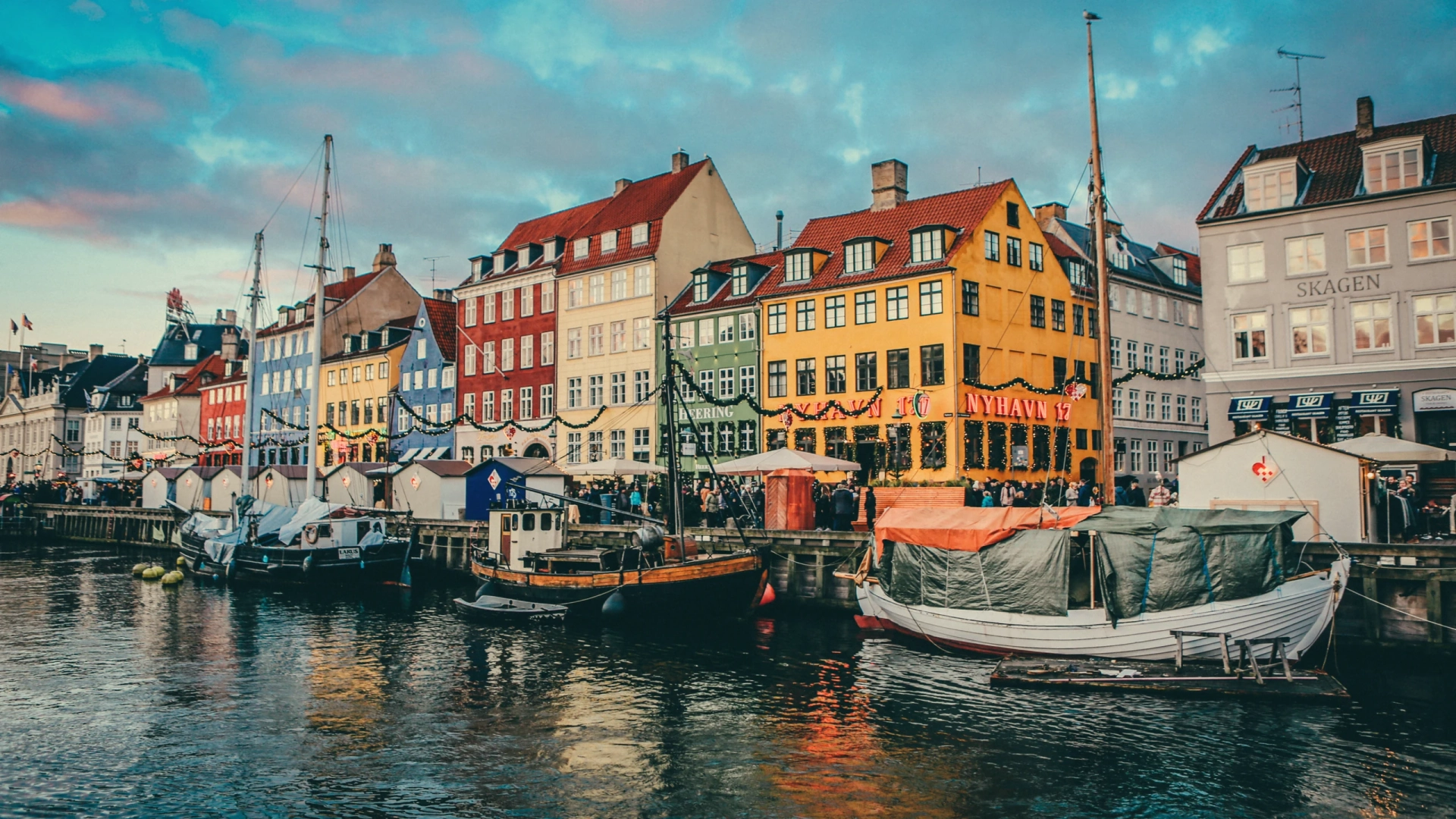
Noma, René Redzepi’s Copenhagen landmark, which concluded its primary residency in 2024, operated with a precision that bordered on the military. The restaurant maintained a strict six-month minimum waitlist, with booking windows opening at exactly 10:00 AM CET, precisely 90 days prior to the desired date. With only 50 covers per service, the margin for error was non-existent. The system was designed to reward those who understood the cadence of the restaurant’s internal clock. Those who missed the window by even a few seconds found themselves relegated to a digital void, a proof of the fact that in the world of elite gastronomy, timing is the only true equalizer.
The Quarterly Sprint
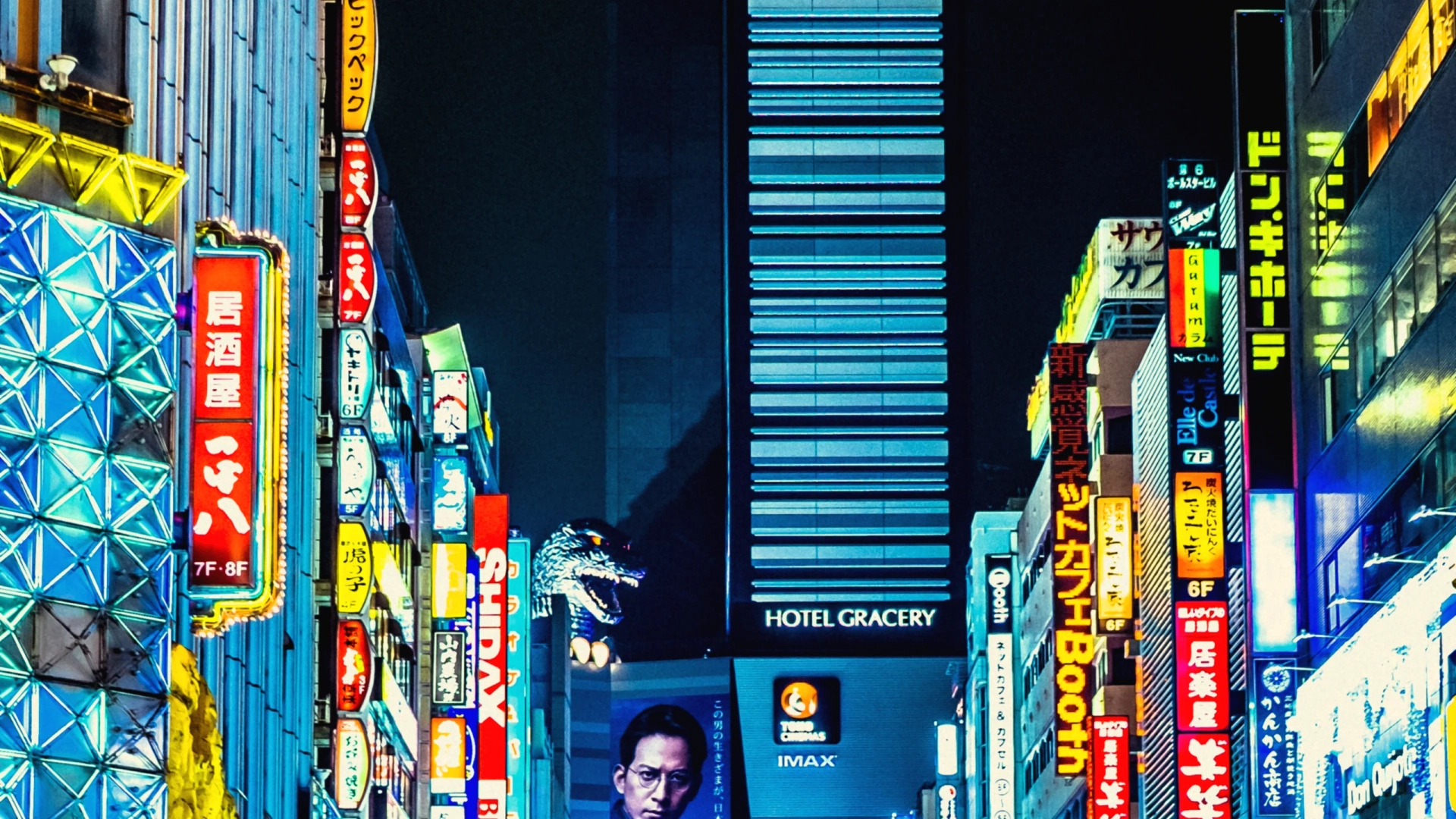
The current gold standard for high-stakes reservation management is found at Alchemist, also in Copenhagen, where Rasmus Munk’s 50-course tasting menu is served to a maximum of 50 guests per sitting. The restaurant’s reservation model is a quarterly sprint. When the blocks are released, the entire inventory for the three-month period is typically exhausted in under three minutes.
The sensory experience of Alchemist is designed to be disorienting, moving guests through a series of "acts" that challenge the traditional boundaries of fine dining. Yet, the barrier to entry remains the most daunting aspect of the experience. The digital infrastructure required to secure a seat—high-speed fiber optics, pre-populated browser forms, and a precise understanding of the server’s latency—has turned the act of booking into a competitive sport. According to the 2025 Prime Global Cities Index, the concentration of wealth in urban centers like Copenhagen and Tokyo has only intensified this competition, as the demographic of diners remains static while the global appetite for "experience-based luxury" continues to expand.
The Reciprocity Chain
The most effective tool in the reservationist’s arsenal is not a credit card, but a specific linguistic maneuver. When navigating the gatekeepers of high-end dining, the phrase, "I am a regular guest at [Hotel Name], and [Concierge Name] suggested I call directly," acts as a master key. This statement functions because it immediately establishes a reciprocity chain. It signals to the restaurant manager that the guest is part of a trusted ecosystem.
Massimo Bottura’s Osteria Francescana in Modena, which features a mere 12 tables, exemplifies this delicate balance. While the restaurant manages its own booking platform, approximately 10 to 20 percent of its inventory is held back for concierge channels and long-standing relationships. These tables are not for the highest bidder; they are for the guests who have demonstrated a long-term commitment to the restaurant’s ethos. When a guest calls and mentions a specific concierge, they are leveraging the restaurant’s existing relationship with that hotel. The restaurant trusts the concierge to filter out the erratic or the unappreciative, ensuring that the 12 tables are filled with individuals who understand the gravity of Bottura’s culinary narrative.
The 11-Month Horizon
In Girona, Spain, El Celler de Can Roca operates on a timeline that demands a level of foresight rarely seen in other sectors. The restaurant’s reservation window opens at midnight on the first of each month for the same month in the following year. This 11-month queue is not merely a logistical hurdle; it is a psychological barrier that filters out the impulsive diner. To secure a seat here, one must be planning their life nearly a year in advance.
This long-term planning is a hallmark of the ultra-high-net-worth lifestyle. It requires a synchronization of travel, business, and leisure that is inherently exclusive. For those who cannot commit to an 11-month horizon, the alternative is the secondary market or the aforementioned concierge intervention. However, even the most powerful concierge cannot conjure a seat at El Celler de Can Roca if the internal ledger is full. The restaurant’s commitment to its booking protocol is absolute, a fact that only serves to increase its allure.
The Sensory Cost of Entry
Consider the scene on a Tuesday evening in Modena. The air is thick with the scent of balsamic vinegar and the quiet hum of a kitchen operating at the edge of human capacity. A guest walks through the heavy, unassuming door of Osteria Francescana. They are not greeted with fanfare, but with a quiet, knowing nod from the maître d’. This is the result of months of coordination, a series of emails, and a reputation that preceded their arrival.
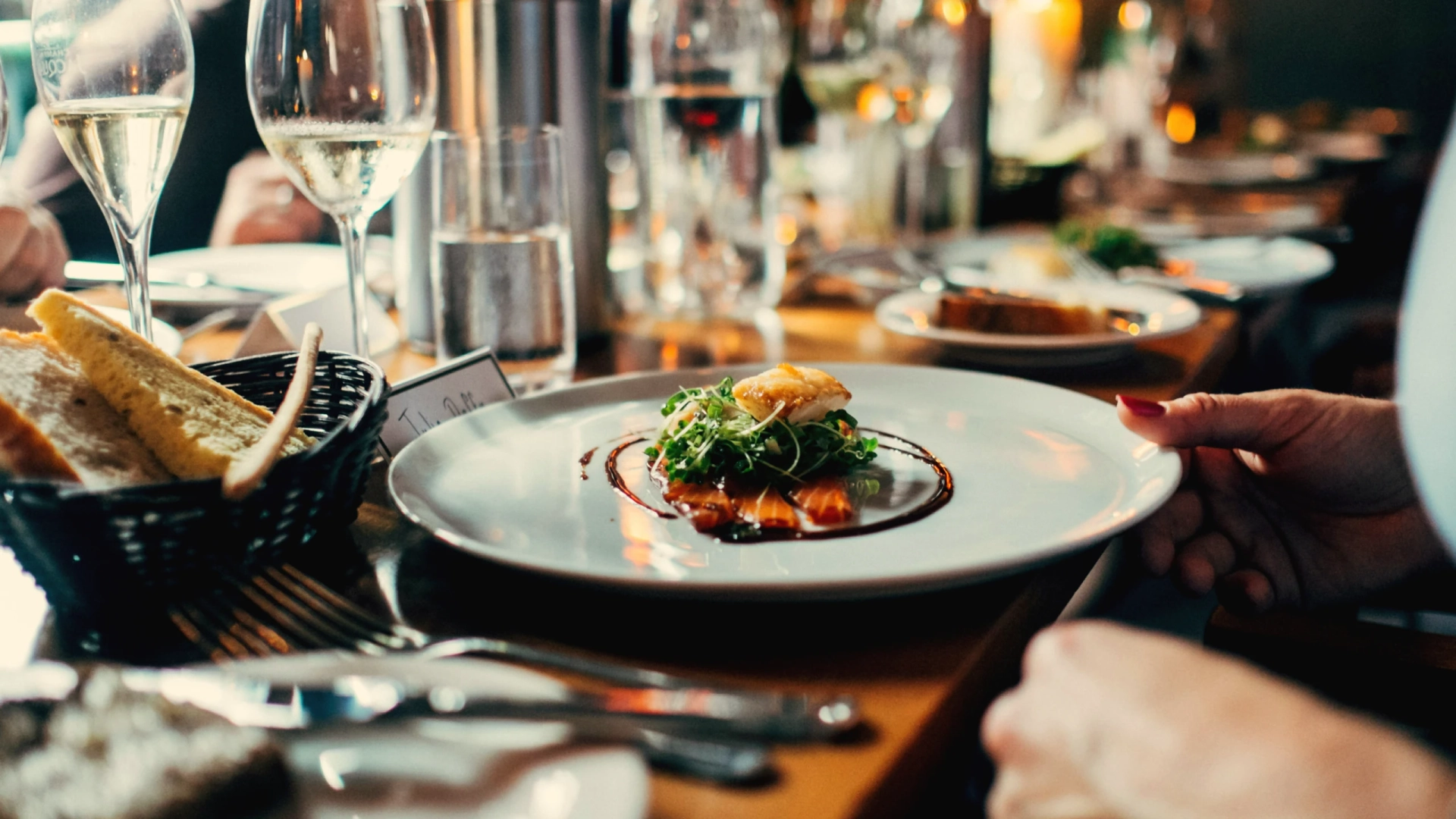
The sensory details of the room—the crispness of the linen, the specific weight of the silverware, the precise temperature of the wine—are all calibrated to justify the effort required to be there. The cost of the meal is secondary to the cost of the access. In this environment, the diner is more than a consumer; they are a participant in a highly curated performance. The data from the 2024 Global Luxury Hospitality Survey suggests that this trend of "exclusive participation" is accelerating, with top-tier restaurants increasingly prioritizing the "quality of the guest" over the "quantity of the revenue."
The Infrastructure of Influence
The infrastructure of these reservations is built upon a foundation of data. Restaurants now utilize sophisticated CRM systems that track everything from a guest’s favorite vintage of Barolo to their preferred seating position in the dining room. This data is the new gold. When a restaurant knows that a guest has dined at their sister property in London or has a history of supporting their charitable initiatives, the likelihood of a table appearing during a "sold-out" period increases exponentially.
This is not about bribery; it is about alignment. The most successful diners are those who align themselves with the restaurant’s mission. They are the ones who arrive on time, who engage with the staff, and who treat the experience as a dialogue rather than a transaction. In the world of the closed table, the guest who understands the unspoken rules of the house is the guest who will always find a seat.
The Evolution of the Gatekeeper
The role of the gatekeeper has shifted from the traditional maître d’ to the digital interface and the high-end concierge. Yet, the human element remains paramount. Even with the most advanced booking software, the final decision on who gets the last table of the night often rests with a human being. This is where the "concierge economy" thrives. It is a world of favors, where a recommendation from a trusted source carries more weight than a thousand automated booking requests.
As we look toward the future of fine dining, the trend toward extreme exclusivity seems likely to continue. The pressure on these institutions to maintain their standards while managing an overwhelming volume of interest will only increase. For the diner, this means that the ability to secure a reservation will remain a skill set in itself—a combination of patience, network management, and a deep understanding of the specific mechanics of each individual establishment.
The Reality of the Waitlist
The waitlist is often viewed as a dead end, but for the sophisticated diner, it is a dynamic tool. At establishments like Noma or Alchemist, the waitlist is not a static list of names; it is a living document that is constantly being re-evaluated. Cancellations are inevitable, and the restaurants that manage these cancellations with the most efficiency are the ones that have a pre-vetted list of "preferred" guests.
Being on this list requires far beyond a registration. It requires a history of engagement. It requires the guest to be ready to travel at a moment’s notice, to have the logistical support to move across continents, and to be prepared to pay the premium that such last-minute access often commands. It is a lifestyle that demands total flexibility, a trait that is increasingly rare in the modern professional landscape.
The Finality of the Experience
When the reservation is finally secured, the experience itself takes on a different weight. The diner is acutely aware of the effort that went into the booking, and this awareness colors every aspect of the meal. The first bite is more than a culinary event; it is the culmination of a process that began months, or even years, prior.
The data provided by the 2025 Global Dining Trends report indicates that the "anticipatory phase" of a high-end meal now accounts for nearly 40 percent of the total value perceived by the guest. The planning, the anticipation, and the eventual success of the booking are all part of the product. This is why the closed table remains the ultimate status symbol. It is more than about the food; it is about the ability to navigate a system that is designed to be impenetrable to the uninitiated.
The Mechanics of the Future
As technology continues to evolve, the mechanics of the closed table will likely become even more complex. We are already seeing the emergence of blockchain-based reservation systems and private membership clubs that offer guaranteed access to a network of restaurants. These systems aim to formalize the informal networks that have traditionally governed the industry.
However, the core principle will remain the same: the table is a place of connection. Whether it is the 12 seats at Osteria Francescana or the 50 covers at Alchemist, the goal is to create an environment where the guest feels both challenged and cared for. The exclusivity is not a barrier to entry; it is a mechanism to ensure that the experience remains intimate and focused.
The Geography of Taste
The geography of these restaurants is also a factor in their exclusivity. They are often located in cities that require a significant investment of time and resources to reach. Copenhagen, Girona, Tokyo, and Modena are not just culinary destinations; they are hubs of a specific type of global culture. The diner who travels to these locations is making a statement about their priorities.
According to the 2024 International Travel and Luxury Index, the "culinary pilgrimage" is now the primary driver of high-end travel. The restaurant is the destination, and the hotel, the flight, and the local experience are all secondary to the two or three hours spent at the table. This shift in focus has transformed the restaurant industry into a central pillar of the global luxury economy.
The Unspoken Protocol
The final, and perhaps most important, aspect of the closed table is the unspoken protocol of the diner. Once the reservation is secured, the guest’s responsibility is to respect the space. This means arriving on time, adhering to the dress code, and, most importantly, being present. The distraction of a mobile phone or the interruption of a business call is an affront to the work that went into the booking.
The most successful diners are those who understand that they are guests in the chef’s home. They treat the staff with respect, they engage with the menu, and they leave the restaurant with a sense of gratitude. This behavior is what keeps the doors open for future visits. It is the final piece of the puzzle, the one that ensures that the reciprocity chain remains intact.
The Persistence of the Table
The closed table is a reflection of our desire for connection in an increasingly fragmented world. It is a place where time slows down, where the noise of the outside world is silenced, and where the focus is entirely on the present moment. The difficulty of securing a seat is not a bug in the system; it is a feature. It is what makes the experience meaningful.
As we look at the landscape of global gastronomy, it is clear that the demand for these experiences will not diminish. If anything, the value of the "closed table" will only increase as the world becomes more digital and less tactile. The ability to sit at a table, to share a meal, and to be part of a moment that is both fleeting and permanent is the ultimate luxury.
The Final Observation
In the end, the reservation is a promise. It is a promise from the restaurant to the guest that they will be taken care of, and a promise from the guest to the restaurant that they will be present. It is a contract of mutual respect, signed in the currency of time and effort. When the lights dim and the first course is served, the months of waiting, the emails to the concierge, and the precise timing of the booking all fade into the background. What remains is the food, the conversation, and the quiet realization that you are exactly where you are meant to be. The table is closed to the world, but for those who have earned their place, it is the most open space on earth.
Market Intelligence current as of April 2026
The Curator's Selection
TravelQuintessentially: Restaurant Access Membership
The world's most established luxury concierge service holds direct relationships with maître d's at over 400 starred restaurants globally. Their restaurant access is a core membership benefit.
TheFork Manager Pro: Cancellation Alerts
Professional-tier access to cancellation availability across 60,000 European restaurants, including starred properties. Real-time alerts within 15 minutes of table release.
Ten Group: Global Concierge
Corporate lifestyle concierge service with demonstrated access to top-tier restaurant reservations in 20 cities. Particularly strong in London, New York, and Singapore.
Shopygram may receive a referral fee when you transact through these links. Our editorial recommendations are independent of commercial relationships.
The Intelligence Behind the Destination
Why is it so difficult to book a table at a top-tier restaurant?
Demand for the world's top 10 restaurants far exceeds their physical capacity. Many of these venues only have a few dozen seats and receive thousands of requests per day. To manage this, they often prioritize long-term regulars or work with exclusive concierge partners who can "vet" the guests.
How can I get a reservation at a restaurant that is "sold out" online?
The best method is to use a high-end concierge service or stay at a hotel with a strong relationship with the restaurant. Many establishments hold back a small number of tables for "VIP" partners. Alternatively, being a flexible "last-minute" diner can sometimes pay off if a cancellation occurs.
What are "pre-paid tickets" in the restaurant industry?
Like a theater or concert, some restaurants now require you to pay for your meal in full at the time of booking. This ensures the restaurant is compensated even if you cancel, and it creates a "secondary market" for reservations where tickets are sometimes traded among food enthusiasts.
Is it better to call the restaurant or use a booking app?
For the most exclusive venues, a phone call is often better than an app. Speaking directly with the Maître d' allows you to express genuine interest and potentially be added to a "waiting list" that isn't visible on public platforms like OpenTable or Resy.
The Author
Sébastien Kaël
Contributing Editor — Real Estate & Capital MarketsFood and travel correspondent whose work spans three-Michelin-star dining, private island retreats, and the architecture of ultra-luxury hospitality.