Real Estate
The Portfolio Behind the Portfolio: How UHNW Family Offices Weaponise Residential Real Estate
With a significant portion of assets in real estate, family offices dominate off-market networks. The acquisition criteria and operational structures that allow residential property to function as generational capital.
The Portfolio Behind the Portfolio: How UHNW Family Offices Weaponise Residential Real Estate
The Architecture of Permanence: Real Estate as Sovereign Capital
The modern family office has moved beyond the traditional 60/40 portfolio split, shifting its gaze toward the tangible, immovable, and increasingly complex world of ultra-prime residential real estate. According to the UBS Global Family Office Report 2024, the collective allocation to real estate assets among the world’s most significant family offices has reached a staggering $5.9 trillion. This is not merely a hedge against inflationary volatility; it is a calculated deployment of capital into assets that serve as both a store of value and a physical manifestation of dynastic continuity. For the ultra-high-net-worth individual, the residential compound has evolved into a sophisticated financial instrument, one that requires the same rigorous due diligence as a private equity acquisition or a direct venture investment.
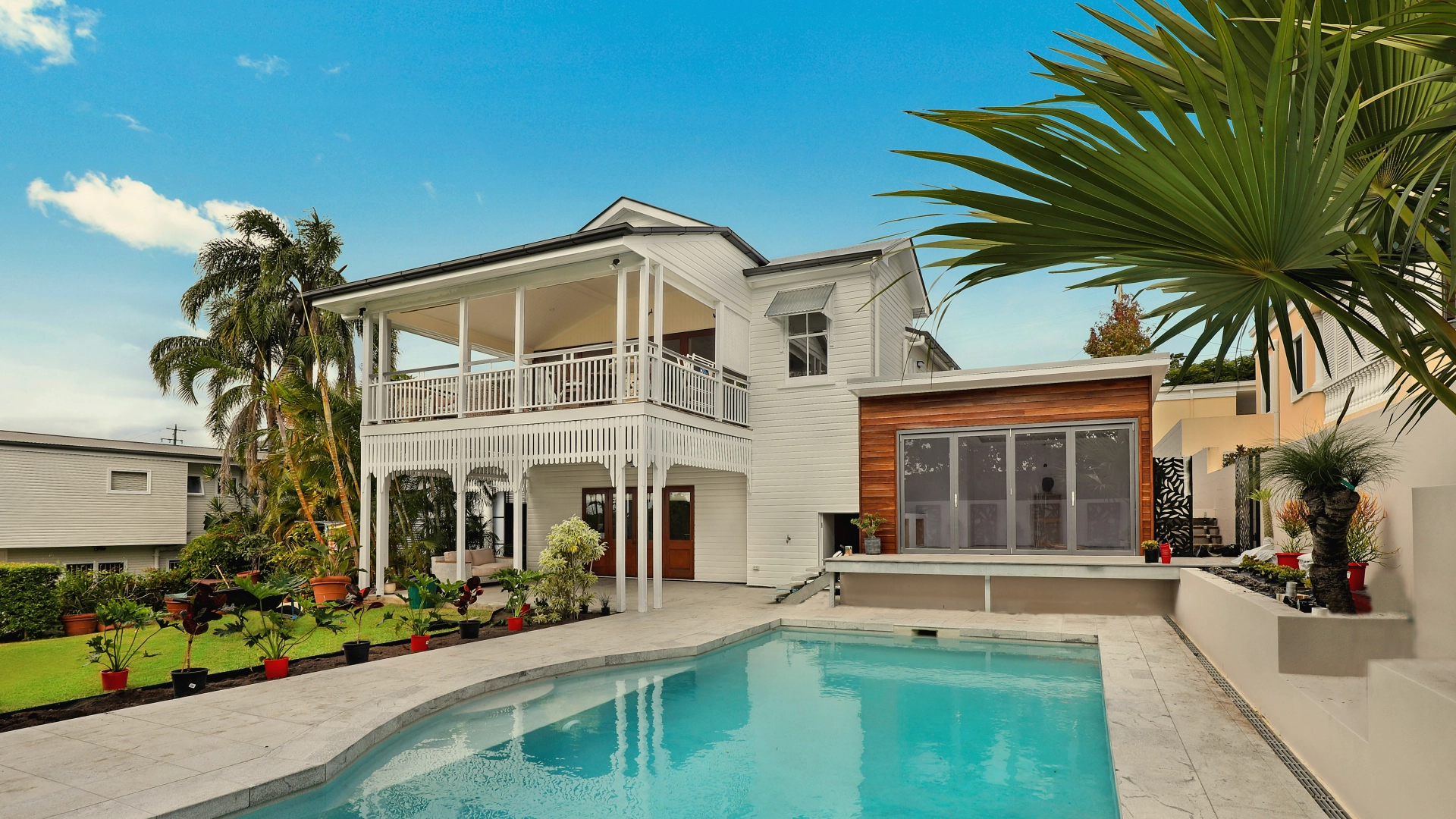
The allocation decision is rarely impulsive. Data from the Knight Frank 2025 Prime Global Cities Index suggests that family offices are increasingly targeting between 15% and 25% of their total assets under management (AUM) toward residential real estate. This shift is driven by a desire for non-correlated returns and the unique tax efficiencies afforded by long-term holding structures. When a family office allocates $50 million to a waterfront estate in the Hamptons or a historic villa on Lake Como, they are not simply purchasing a residence; they are acquiring a multi-generational asset that functions as a private vault, a secure retreat, and a tax-efficient vehicle for wealth preservation.
The Off-Market Imperative and Acquisition Mechanics

In the rarefied air of properties valued above $20 million, the public market is often an illusion. Savills Private Finance reports that approximately 55% to 65% of ultra-prime transactions are conducted entirely off-market, shielded from the scrutiny of public listings and the volatility of open bidding. This shadow market operates on a foundation of discretion, where relationships between family office principals and specialized brokers at firms like Knight Frank Private Office dictate the flow of inventory.
The acquisition strategy for these assets is a masterclass in legal engineering. Principals rarely hold title in their personal names. Instead, the use of Special Purpose Vehicles (SPVs) is the standard, allowing for the isolation of liability and the optimization of estate planning. Whether utilizing a Delaware LLC, a Cayman Islands trust, or a Luxembourg-based SOPARFI, the objective remains the same: to create a firewall between the asset and the personal liquidity of the family members.
Consider the case of a prominent European industrialist family who, in the autumn of 2023, sought to acquire a 12,000-square-foot estate in the 16th arrondissement of Paris. The transaction was not a simple purchase; it was a three-month negotiation involving tax counsel from Baker McKenzie and structural advisors from a boutique Swiss firm. The property was acquired through a tiered holding structure that allowed the family to leverage French wealth tax exemptions for professional assets, effectively treating the residence as a business entity. The sensory reality of the closing was far removed from the sterile language of legal briefs: a quiet afternoon in a wood-paneled office overlooking the Seine, the smell of old paper and espresso, and the final, decisive stroke of a fountain pen on a document that would dictate the family’s footprint in the city for the next century.
Designing for Security and Multi-Generational Utility

The modern compound is a fortress, though its defensive nature is rarely visible to the casual observer. Security architecture has become a primary design constraint, with architects now working alongside former intelligence officers to integrate ballistic-rated glass, subterranean safe rooms, and advanced biometric access control into the aesthetic fabric of the home. The goal is to achieve a state of "invisible security"—where the perimeter is impenetrable, yet the living environment remains expansive and serene.
The layout of these compounds is increasingly focused on multi-generational utility. As families grow, the need for modular living spaces becomes paramount. Modern designs now incorporate "wing-based" architecture, where private quarters for different branches of the family are connected by communal hubs—libraries, cinemas, and professional-grade kitchens—that facilitate interaction without sacrificing autonomy.
In a recent project in the hills above Santa Barbara, a prominent tech-wealth family commissioned a compound that spans four separate structures, each designed to serve a specific phase of the family’s lifecycle. The main residence houses the primary couple, while a secondary, fully autonomous structure is reserved for the adult children and their families. A third building serves as a dedicated office and archive, housing the family’s private collection of historical documents and digital servers. The fourth structure is a guest pavilion, designed to host visiting partners and extended family. The entire site is managed by a centralized building management system (BMS) that monitors everything from energy consumption to air quality, ensuring that the compound operates with the efficiency of a corporate headquarters.
The Fiscal Geometry of Generational Transfer

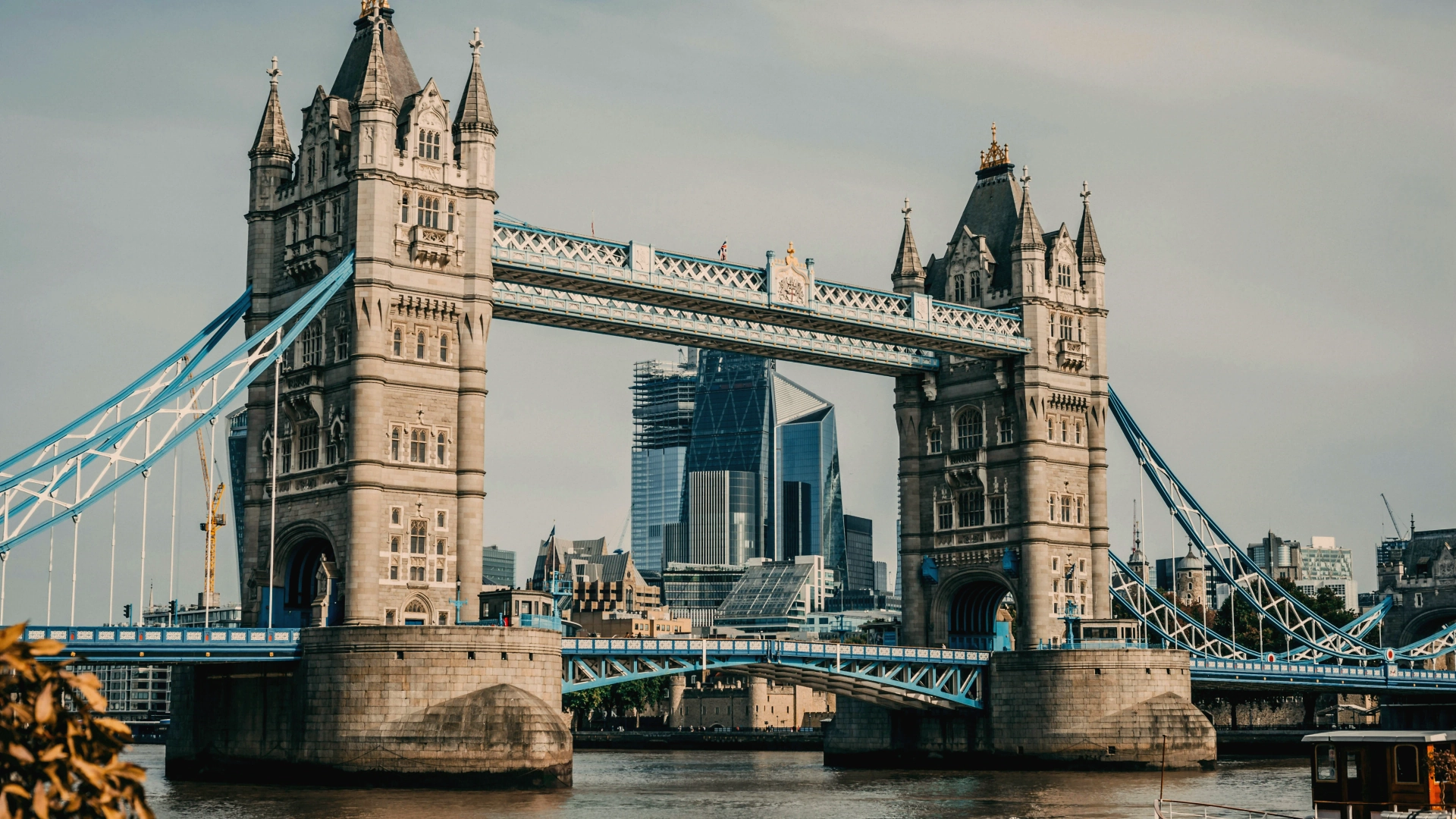
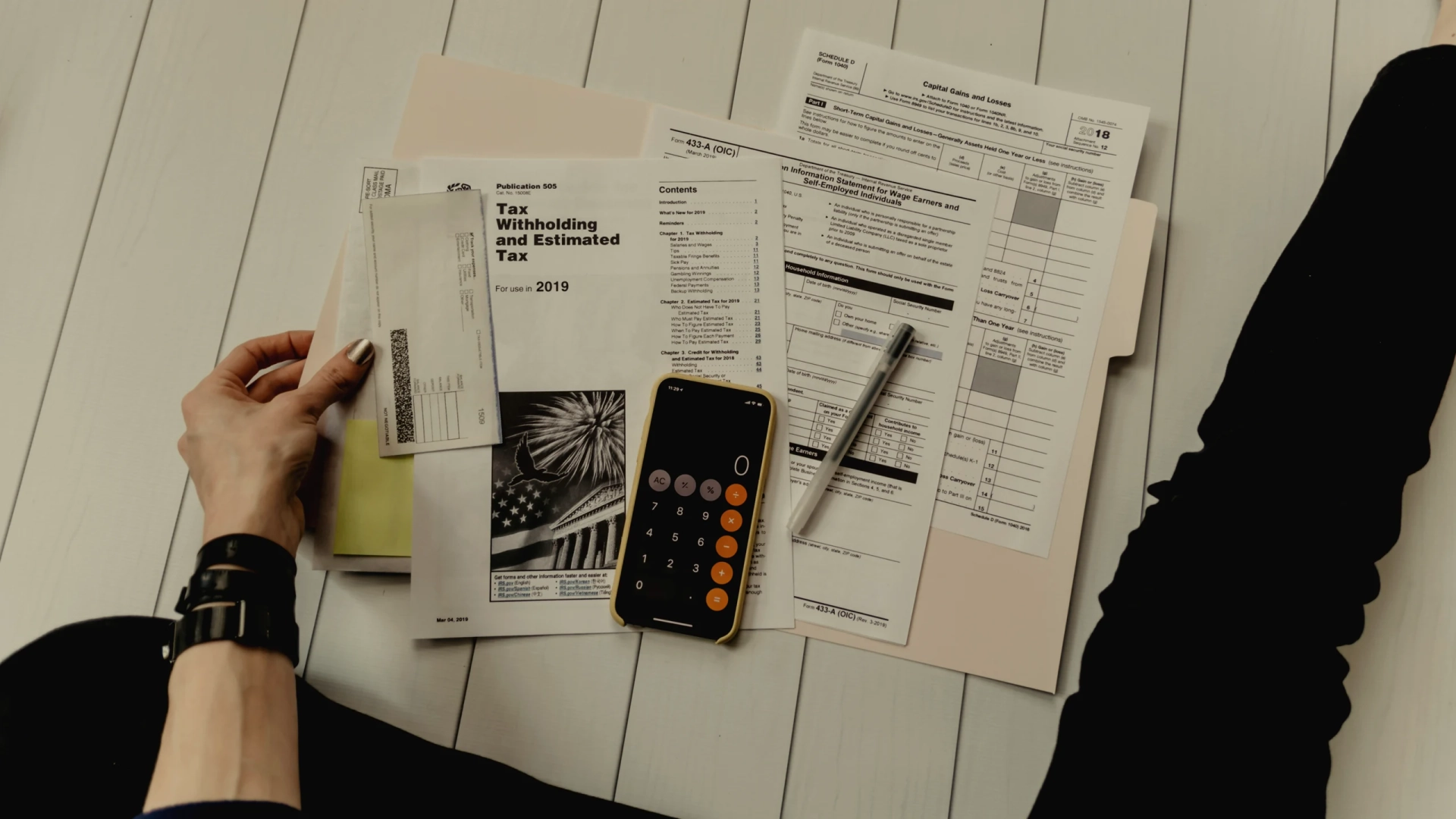
The true genius of the family office real estate strategy lies in the mastery of jurisdictional tax treatments. For families with assets in the United Kingdom, Agricultural Property Relief (APR) remains a critical tool. By incorporating a working farm or estate into the residential compound, families can often mitigate inheritance tax liabilities, provided the land is managed with a genuine commercial intent. This is not a loophole; it is a deliberate policy mechanism designed to encourage the preservation of rural landscapes and the maintenance of historic structures.
In Switzerland, the cantonal tax system offers a different, yet equally compelling, set of advantages. For instance, the "forfait" or lump-sum taxation system in certain cantons allows high-net-worth individuals to be taxed based on their annual living expenses rather than their global income or wealth. This has made Switzerland a preferred destination for families looking to establish a permanent base for their European operations. The interplay between these local tax regimes and international tax treaties requires a level of sophistication that only the most elite advisory firms can provide.
The challenge of heritage designation adds another layer of complexity. Many of the world’s most desirable estates are protected by strict conservation laws, which limit the ability to renovate or modernize. However, for the astute family office, these restrictions are often viewed as an asset. Heritage status can provide significant tax breaks and grants for maintenance, and it serves as a natural barrier to entry for competitors, ensuring that the property remains a unique, irreplaceable piece of the family’s legacy.
The Human Element: Managing the Physical Asset
Beyond the legal and financial frameworks, there is the day-to-day reality of managing a global portfolio of residences. The modern family office must function as a high-end hospitality firm, ensuring that each property is maintained to a standard that would shame a five-star hotel. This involves a dedicated staff—estate managers, housekeepers, security personnel, and groundskeepers—who are often employed directly by the family office.
The management of these assets is a logistical feat. In the case of a family with residences in London, New York, and Gstaad, the coordination of maintenance schedules, staff rotations, and security protocols is a full-time operation. The family office must ensure that the London townhouse is ready for a board meeting, the New York penthouse is prepared for a gala, and the Gstaad chalet is fully stocked for a winter retreat, all while managing the complexities of international labor laws and local property regulations.
One anecdote from a family office manager in Zurich illustrates the intensity of this role. During a sudden, unseasonable blizzard in the Bernese Oberland, the manager had to coordinate the emergency transport of a specialized heating technician from Geneva to the family’s chalet. The mission involved a private helicopter, a snowcat, and a team of local guides, all to ensure that the property’s geothermal heating system remained operational. The cost was secondary to the objective: the preservation of the asset and the comfort of the family. This level of responsiveness is the hallmark of a well-run family office.
The Future of the Compound as Capital

As we look toward the next decade, the role of real estate in the family office portfolio is likely to become even more central. The rise of "digital nomadism" among the ultra-wealthy, combined with an increasing desire for privacy and security in an uncertain geopolitical climate, will continue to drive demand for trophy properties. We are seeing a trend toward "self-sufficient compounds"—estates that are equipped with their own power generation, water filtration, and food production systems. These are not just homes; they are autonomous micro-states, designed to withstand the disruptions of the outside world.
The integration of artificial intelligence into property management will further refine this strategy. Predictive maintenance, automated security, and real-time energy optimization will allow family offices to manage their real estate portfolios with unprecedented precision. We are moving toward a future where a family’s global real estate footprint is managed as a single, cohesive, and highly efficient system.
Yet, despite the technological advancements and the complex financial engineering, the core of the family office real estate strategy remains deeply human. It is about creating a space where a family can grow, where traditions can be passed down, and where the fruits of a lifetime of labor can be enjoyed in peace. The compound is the physical manifestation of the family’s values, a tangible anchor in an increasingly ephemeral world.
In the final analysis, the decision to invest in a multi-generational estate is an act of faith in the future. It is a commitment to the idea that, regardless of the fluctuations in the global economy or the shifts in the political landscape, there will always be a place for the family to gather, to reflect, and to plan for the next generation. The numbers, the tax structures, and the security protocols are merely the scaffolding; the true value lies in the continuity of the family itself.
As the sun sets over a private estate in the South of France, the silence is broken only by the sound of the Mediterranean lapping against the sea wall. Inside, the family is gathered in the library, a room filled with books that have been in their possession for three generations. The air is cool, the lighting is soft, and the world outside feels distant, almost irrelevant. This is the ultimate goal of the family office real estate strategy: to create a sanctuary that is as enduring as the wealth that built it. It is a quiet, deliberate, and profoundly powerful way to exist in the world, ensuring that the legacy of the family is not just preserved, but physically anchored for the decades to come. The data confirms the trend, the legal structures provide the safety, and the architecture provides the permanence. For those who have reached the pinnacle of global wealth, the compound is no longer just a residence; it is the foundation upon which the future is built.
Shopygram Exclusive Intelligence
Family Office Real Estate Allocation Trend
Average % of Total Portfolio
Intelligence Source: UBS Global Family Office Report
The Curator's Selection
Real EstateYieldstreet — Alternative Real Estate
Institutional-quality real estate investment opportunities for accredited investors from $10,000, across diversified commercial property portfolios.
Masterworks — Art as Alternative Asset
The investment platform securitising individual blue-chip artworks — the same diversification strategy used by the world's most sophisticated family offices.
Shopygram may receive a referral fee when you transact through these links. Our editorial recommendations are independent of commercial relationships.
The Intelligence Behind the Destination
What is a family office and how does it manage real estate?
A family office is a private wealth management firm serving a single ultra-high-net-worth family (single-family office) or a group of wealthy families (multi-family office). Real estate within a family office is typically managed as a distinct asset class, with dedicated acquisition, management, and disposition teams handling portfolios across multiple geographies and property types.
How much wealth do you need to establish a family office?
Single-family offices require $100–250M in assets to justify the operational costs — which typically run $1–3M annually. Multi-family offices provide institutional-grade services from approximately $25–50M in investable assets. Below this threshold, a private bank's ultra-HNWI division or an independent wealth manager provides comparable services at lower cost.
Why do family offices prefer off-market real estate transactions?
Off-market transactions offer three advantages unavailable in public listings: price certainty (no competitive bidding), discretion (no public record of the buyer's interest), and access to properties whose owners would not list publicly. Approximately 70% of ultra-prime transactions above $50M occur through these networks.
The Author
Travis Wiedower
Senior Contributing Editor — Luxury Capital & Alternative AssetsTravis Wiedower is a veteran editorial voice across luxury's most considered verticals — from horology and haute automotive to prime real estate and private travel. With over 15 years at the helm of prestige publications, he reports on the intersection of global wealth, cultural taste, and the architecture of considered living.